Transferring property within families ensures continuity, but many Pakistani families find themselves ill-equipped with knowledge about legal documentation processes. A gift deed is one of the most important ways to transfer property, as an owner can voluntarily transfer immovable property without any consideration.
It is in contrast to sales or inheritance. When gifts are made properly, the transfer of ownership is instant while still alive, ensuring simplification in terms of estate planning and family wealth management. However, there are legalities involved, such as those related to stamp duty on gift deeds and registration processes, which differ by province. It becomes important to appreciate these nuances, as property disputes faced by Pakistani courts and the latest judgments by the Supreme Court are changing the interpretation and execution of gift deeds in Pakistan.
Essential Ingredients of Gift Deed Format
Parties and Identification Details in a Gift Deed
A valid gift deed needs to be drafted in a certain way for it to be legally recognized in Pakistan. The parties (i.e., donor and donee) must be mentioned in the deed, which should include full names, addresses, and relationships with each other.
Islamic Law Principles Governing Gift Deeds (Hiba)
Pakistani gift deed law is based on the Islamic legal theory of Hiba, in which three conditions must be met for a valid gift to exist: firstly, there must be an offer from one party (the donor), secondly acceptance from the other party (the donee), and finally actual delivery of possession. These elements need to be explicitly included in the gift deed format and must hold good under judicial scrutiny.
Property Description and Ownership Scope
The property description portion requires specification, including survey numbers, boundaries, and any existing encumbrances. It is important that the documentation makes clear whether a gift transfers complete ownership or an interest only, as this difference can have repercussions on rights and liabilities in the future.
Witnesses, Notarization, and Free Consent
Essential elements include witness attestations, notarization when possible, and provisions stating that the gift is being made freely without duress. A clear comprehension of these basics enables proper drafting of a gift deed and smoothens the process of property transfer.
How to Prepare a Gift Deed
Initial Documentation and Record Collection
Proper preparation is the key to a successful gift of property transaction. The procedure starts with collecting important documents such as original property title deeds, identity proof of both parties, and mutation records from the revenue department.
Title Verification and Legal Due Diligence
Verification is an important initial process. As per registration rules, all property papers must be checked for clear title and encumbrances. This includes ensuring there is no pending litigation, unpaid dues, or third-party claims that may cause complications in the transfer process.
Drafting and Legal Review of the Gift Deed
Deeds must be crafted with specific legal terminology according to customary styles. It is advisable to consult a lawyer, as incorrect language can make the deed invalid or cause future family disputes.
Completing Formal Requirements for Transfer
Once the documents are signed and cleared from a legal perspective, the next step is fulfilling obligations required to make the property transfer official.
Duty on Sales and Property Transfers
Stamp Duty Calculation on Gift Deeds
It is not easy deciding the cost of a gift deed transaction, as several obligatory fees and charges must be considered. Stamp duty is the main cost component and is calculated as a percentage of market value or government-established price, whichever is greater.
Registration Charges and Legal Fees
Registering a property usually costs about 1% to 2% of the value of the real estate, depending on the province or administrative area. The responsibility of paying legal documentation charges lies with the property owner and is used to facilitate transfer procedures after confirming all necessary documents.
Additional Administrative and Ancillary Costs
In addition, ancillary costs may arise, such as mutation fees for changing revenue records, conversion charges if the property falls under another classification, and administrative processing charges by registrar offices. The entire cost structure of a gift deed can significantly affect the transaction and should be budgeted beforehand.
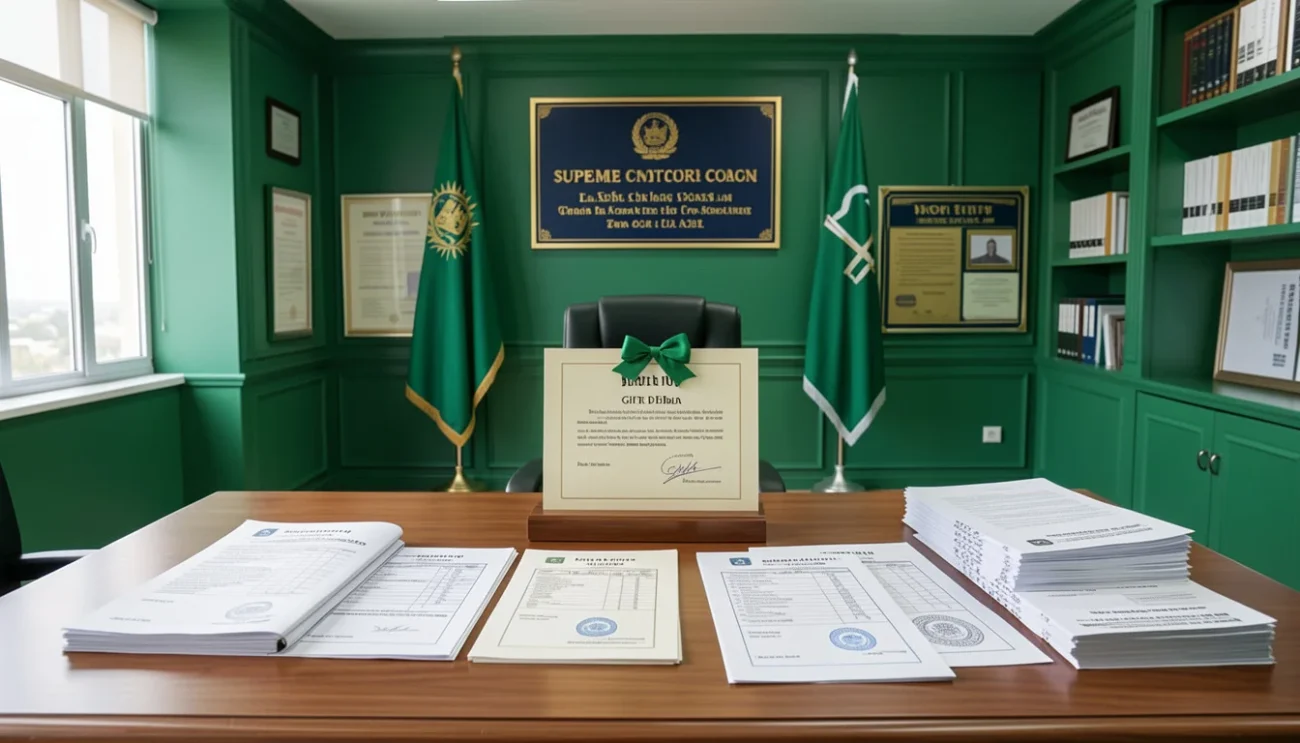
The Lawful Regime of Transfer of Property through Gift Deeds
Filing and Submission of Gift Deed Documents
Gift deed property transfer follows a definite legal procedure, where documentation is necessary and carries official status. After preparing the gift deed and clearing applicable fees, the next step is filing the application at the concerned registrar office.
Presence of Parties and Witnesses During Registration
To ensure registration of the gift deed, the donor and receiver must be present along with original identity documents, witnesses, and the completed gift deed before the Sub-Registrar. Registration normally involves two independent witnesses to confirm that the transfer was made voluntarily and to identify the parties.
Verification, Timelines, and Legal Effect of Registration
The registrar verifies all documents to be complete and real before admitting the filing. The process of registering a gift deed involves checking validity of property ownership, payment of stamp duty and fulfilling all legal obligations. The process takes 15 days to one month over all depending on how much workload is in local office and the documents submitted. Upon successful registration, ownership of the property is officially transferred to the buyer and a permanent legal record is established. It’s this formal registration that sets gift deeds apart from other methods of property transfer and forms the basis for understanding why they might offer certain benefits over alternatives such as wills.
Comparing Gift Deeds with Wills
Timing and Effectiveness of Gift Deeds vs Wills
Differences between gift deeds and wills are important for efficient estate planning in Pakistan Knowing the difference between Deed of Gift and Will is really important before planning for your property, in order to have efficient estate planning. Gifts are effective on the date of gift, whereas wills do not take effect until after the lifetime of the owner. This distinction carries great implications for planning.
Revocability, Registration, and Legal Protection
Registration of the gift deed is to be completed right away because a gift deed executed is irreversible, which means it is an outright transfer. On the other hand, wills are revocable during the life of the testator and can be amended numerous times. Though wills are vulnerable to contestation from legal heirs under Islamic inheritance laws, the legally executed gift deed tends to offer greater protection in the face of family conflicts.
Estate Planning and Tax Considerations
The timing benefit of gift deeds is extremely significant, in terms of both tax efficiency and family peace, thereby framing the backdrop against which we can look at some recent court pronouncements that have evolved these instruments.
Recent Gift Deeds Supreme Court Cases
Judicial Standards for Valid Gift Deeds
Rulings By The Supreme Court Concerning Validity of Gift Deed.- The highest law forum in Pakistan has settled several important precedents relating to the validity of gift deeds whenever property is freely transferred as gift. Courts have repeatedly held that gifts need to not only show genuine intent but also be documented properly in order for it to hold up legally.
Written Evidence, Registration, and Possession
The Supreme Court in its latest judgements has made it clear that oral gift of the property is not valid and lawful in the eyes of law. Written evidence, official registration and actual transfer of possession are all that the Court insists on in any transaction involving a gift of property.
Landmark Disputes and Capacity Assessments
These decisions have bolstered fraudulent transfer defenses and elucidated the core requirements for a valid gift. The Supreme Court has also dealt with similar disagreement as to a gift deed made in 1954 by family members, some of whom raised challenge for the first time many years after execution. The Court’s analysis concentrates on a determination of the testator’s mental capacity; the presence or absence of undue influence; and whether all necessary legal formalities were followed at the time of transfer.
But these court rulings have spawned new headaches for property owners trying to make good-faith gift arrangements.
Legal Battles: Reasons for the Gift Deed to be Declared Invalid in Court
Capacity, Undue Influence, and Fraud Allegations
It will not be out of place here to observe that Pakistani courts are always clogged with the litigation pertaining to gift deeds, as they have legal justifications on which the cancellation can be sought. The most exploited area is lack of capacity and undue influence, where the beneficiary signed the documentation instead (or under pressure) and fraudulent signature cases.
Non-Compliance With Stamp Duty and Attestation Rules
Insufficient stamp duty gift deed adherence also constitutes a major risk with courts frequently disallowing transactions which do not comply with specified revenue conditions. Lack of witnesses, faulty attestation or not filed within the time period statues will further make reasons for contesting it.
Inheritance Disputes and Ownership Challenges
Challenges to gifts are frequently focused on proving undue influence, especially when elderly donors make significant gifts to relatives in the extended family or to non-family members. Courts will consider the donor’s state of mind, whether independent legal advice was obtained and the manner in which gift documents were executed.
Missing-probability property disputes often lead to long legal battles,“dueling” multiple heirs, challenging the owner’s donor not eligible to transfer some of the assets. All these problems point to the need for scrupulous legal preparation and correct procedural adherence while executing a gift deed.
SC Pronounces on the Legitimacy of Inheritance and Gift Deeds
Tax Treatment of Inheritance and Gift Transfers
The Supreme Court of Pakistan laid down detailed parameters to differentiate tax implications and legal validity while dealing with inheritance rights and gift deed transactions. Recent decisions have clarified that inheritance is not taxed, but receiving and giving gift deeds with large amounts of property will be considered as tax on capital value than what the current federal laws stipulate.
Protection of Legal Heirs’ Rights
Recent verdicts by the apex court reiterated that a gift deed cannot defeat the genuine claims of legal heirs for inheritance. “As the early cases established in no uncertain terms, gifts causa mortis or inter vivos must evince actual donative intent to be valid and not a device to defeat successoral rights. Such cases protect the interests of vulnerable family members against disinheritance plans masquerading as gifts to charity.
Ongoing Legal Evolution Through Court Decisions
These judicial decisions take on added importance for property owners who are considering gift transactions as the laws governing such gifts are continually being shaped by court opinions and statutory revisions.
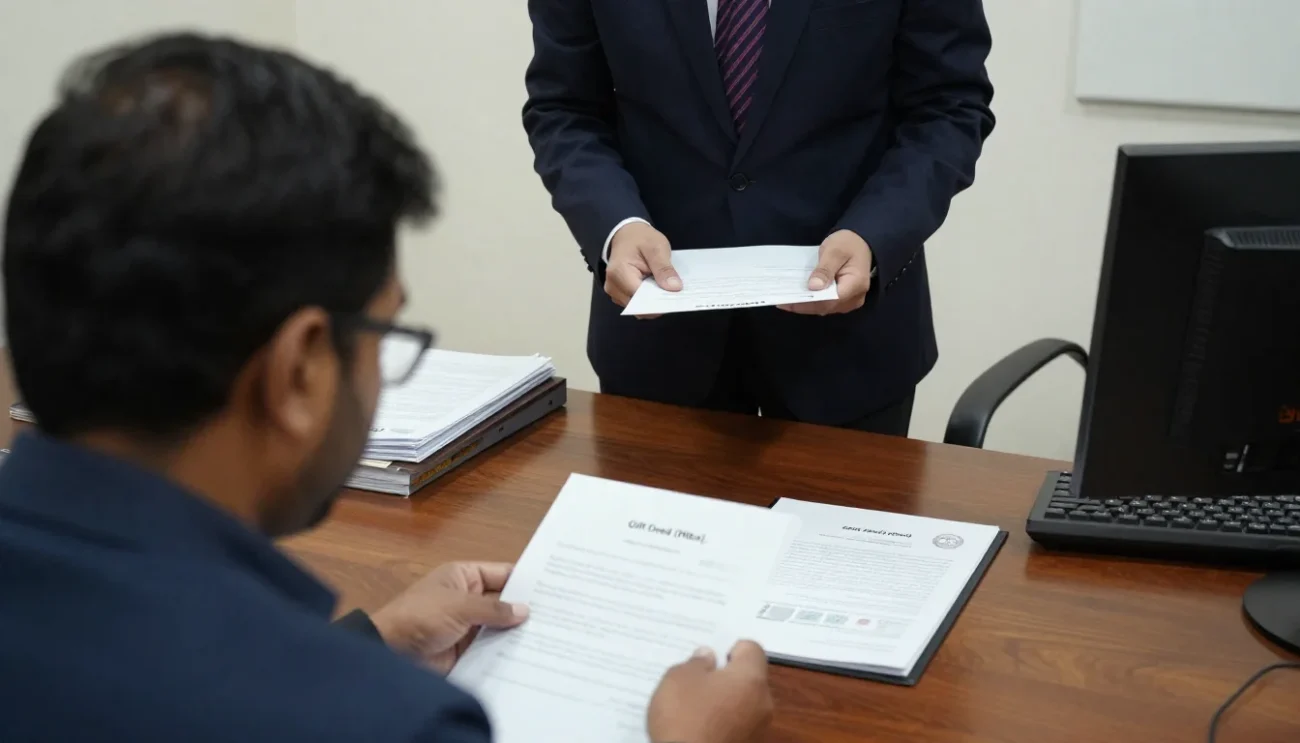
How to Prepare Gift Deed in Pakistan
Compliance With Islamic Law and Hiba Principles
A gift deed (Hiba) in Pakistan is to be prepared and followed as per proper procedure, keeping Islamic laws and Hiba principles into consideration.
Drafting, Stamp Paper, and Witness Requirements
The process starts by preparing a complete document comprising: name of donor, particulars of recipient, and full description of property including survey numbers and boundaries. Some requirements include purchasing stamp paper of desired value, which varies from Rs. 100 to Rs. 1,000 based on property value and provincial laws. The donor’s signature is required to be made in the presence of at least two witnesses, who must also sign and identify themselves.
Registration Process and Required Documents
Registration is compulsory at the local Sub-Registrar’s office within four months of execution. Documents required are original title deed, CNICs of all parties, two passport-size photographs, and the executed gift deed. The Consulate General of Pakistan – Toronto has issued further clarification for Pakistani expatriates making gift commitments.
Completion of Registration and Mutation
To complete registration, payment of requisite registration fees (generally 1% of property value as registration charges) is required, along with administrative costs. Upon successful registration, the recipient is entitled to legal title of the property and mutation in revenue records.
Knowledge of these procedural prerequisites will assist property owners who wish to maneuver through gift transfers and achieve standards of Islamic jurisprudence within a workable framework for practical implementation.
Practical Tips for Property Owners
Documentation and Legal Safeguards
There are a number of ways property owners can shore up potentially faulty gift deed transactions through their any and all versions of their deeds. Document everything from the word go, and complete your documen tation at least till final registration of deed as per T.P act 1882 and thereby remain packaged against future conflicts.
Role of Neutral Witnesses and Valuation
You might want to bring in neutral witnesses who know both parties and can attest of the voluntary nature of the transaction. These individuals should be at the execution of the deed and willing to testify if problems develop. Also secure a fair market valuation from an accredited property valuer and never be accused of giving your asset away.
Managing Registration Logistics
Organise registration at times when the courts are busiest and several officials can oversee it, minimising backlogs and providing appropriate supervision. It is a complex procedure as timings have to be matched mutually which entails the availability of the donor and the presence of recipient at registrars-office.
These practicalities are designed to overcome some of the challenges that people often face when implementing giving in a Pakistani context, as well as making your gift deed legal and watertight from any potential challenge by Pakistani courts.
Limitations and Considerations
Legal Capacity and Eligibility of the Donor
Gift deeds in Pakistan are strong legal documents, however the signing over of property as a gift come with considerations that landholders should take into account before they sign: To understand who can gift deed, closure is necessary it is important to first have in mind the basics of legal capacity – at a minimum, the donor must be mentally competent under law, legally capable to make decisions for themselves and also possess clear title on the property being transferred.
Irrevocability and Inheritance Risks
There are several practical limitations that influence the effectiveness of a gift deed. Properly executed and recorded deed is irrevocable, which means the donor may no longer claim or retain any interest in the property, except to demonstrate fraud or undue influence by clear and convincing evidence in a court of law. Also, gift deeds are vulnerable in inheritance fights, as the legal heirs may challenge the mental soundness of the person executing them.
Tax and Financial Implications
There are other important considerations as well such as tax implications when recipients sell gifted property in the future, and potential capital gains taxes. These fiduciary and financial limitations emphasize the need for advance planning before any gift deed transfer is made.
Key Takeaways
Importance of Legal Compliance and Cost Awareness
They are great in terms of legal significance when it comes to transferring a property in Pakistan and provides for immediate transfer of ownership however require meticulous attention towards legal matters. Gift deed stamp duty varies widely by state and is usually between 2-5% of market value, therefore it can be very important for donors to determine cost with certainty before deciding to transfer.
Documentation, Planning, and Legal Certainty
The successful implementation of these gift deeds depends on ensuring appropriate documentation and the validity of witnesses, proper details of property being gifted, and registration since immovable properties are involved. Intelligent estate and tax planning are necessary for homeowners who wish to pursue this transfer method. In the meantime, case law is still developing through Supreme Court decisions and it is crucial to keep abreast of any procedural obligations. Gift deeds have the advantage over wills of being immediately certain as to transfer, but lose flexibility in relation to post-death modifications, making them suitable for donors who want certainty of property disposition while they are still alive.
Frequently Asked Questions (FAQs)
1. What is gift deed and how does it differ from other property transfers?
A gift deed represents a legal instrument transferring property ownership without monetary consideration, distinguishing it from sale deeds that involve payment. This voluntary transfer requires the donor’s free consent and the recipient’s acceptance to become legally binding.
2. Can gift deeds be revoked after registration?
Islamic law permits revocation only before the recipient takes physical possession of the property. Once possession transfers and registration completes, revocation becomes extremely difficult unless specific legal grounds exist, such as fraud or coercion.
3. What happens if the donor dies before completing the gift deed process?
Incomplete gift transfers revert to the donor’s estate for inheritance distribution according to Islamic succession laws. This emphasises the importance of completing all formalities, including registration, possession transfer, and during the donor’s lifetime.
4. Are there tax implications for gift deed recipients?
Recipients generally don’t face immediate tax liabilities on received property, though capital gains tax may apply upon future sale. Donors should verify current tax regulations as policies occasionally change regarding inter-family property transfers.
5. How much is a gift deed in Pakistan?
The cost of executing a gift deed encompasses several mandatory charges, including gift deed stamp duty, registration fees, and legal documentation charges. Costs vary by province and property value.
6. Can gift deed be challenged in court in Pakistan?
Yes, gift deeds may be challenged on grounds like fraud, undue influence, incomplete documentation, improper registration, or mental incapacity of the donor.
7. Will or gift deed: which is better?
Gift deeds provide immediate ownership transfer, while wills remain revocable and take effect after the owner’s death. The choice depends on timing, flexibility, and succession planning needs.
8. How long does it take to register a gift deed?
Typically 15–30 days, depending on documentation completeness and local office workload.