
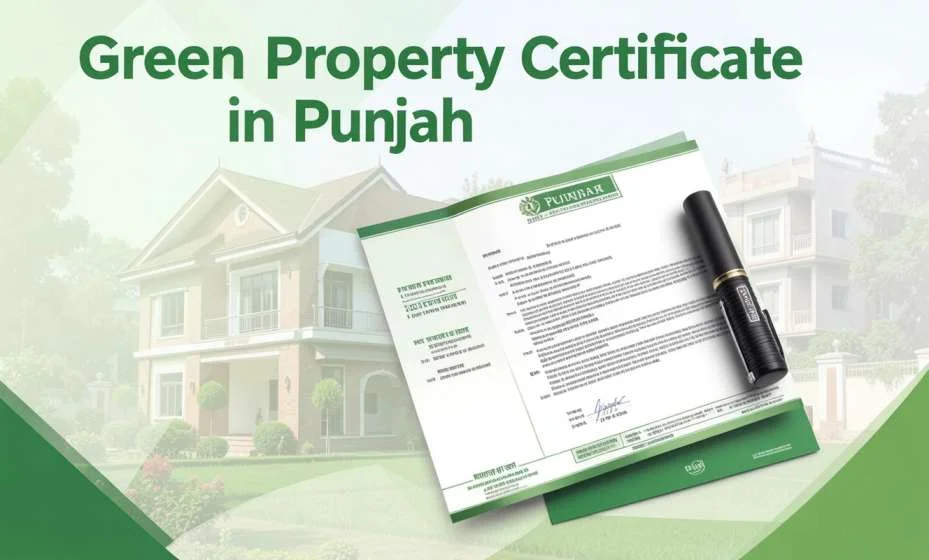
Green Property Certificate in Punjab: Online Apply, Fee Structure & Complete Guide
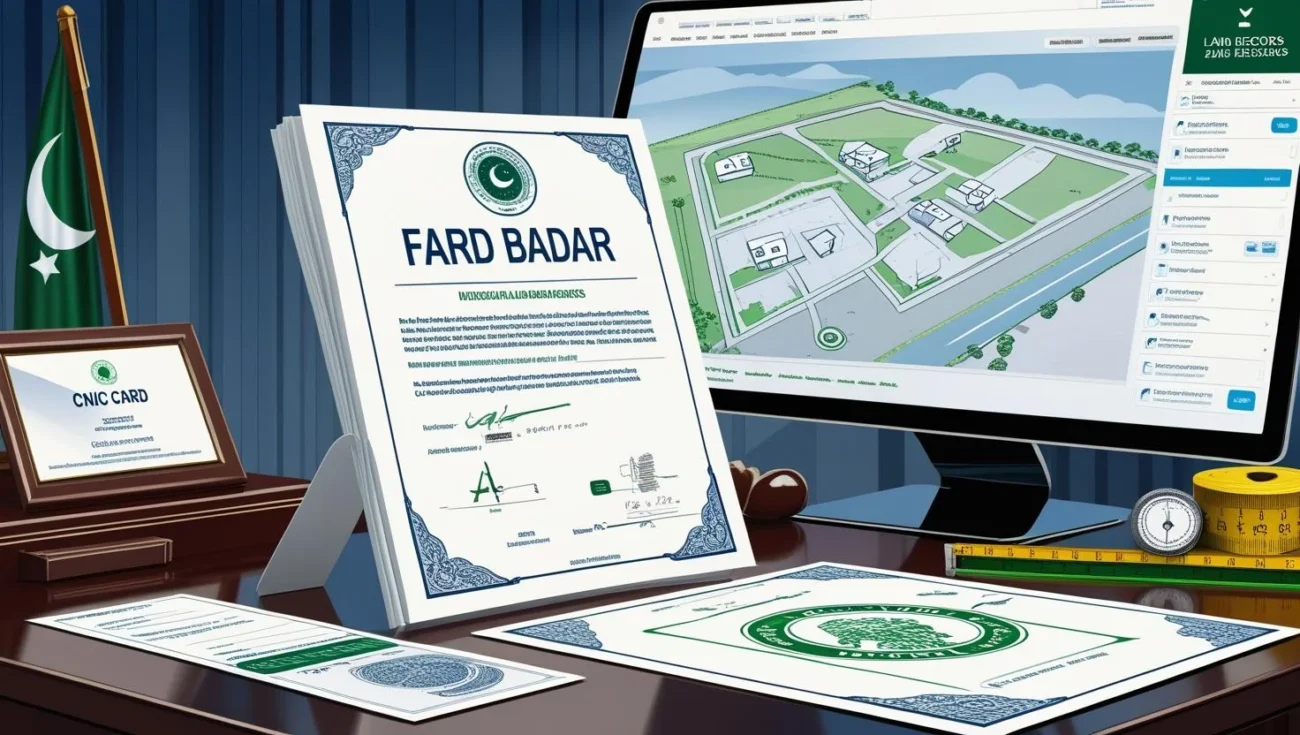
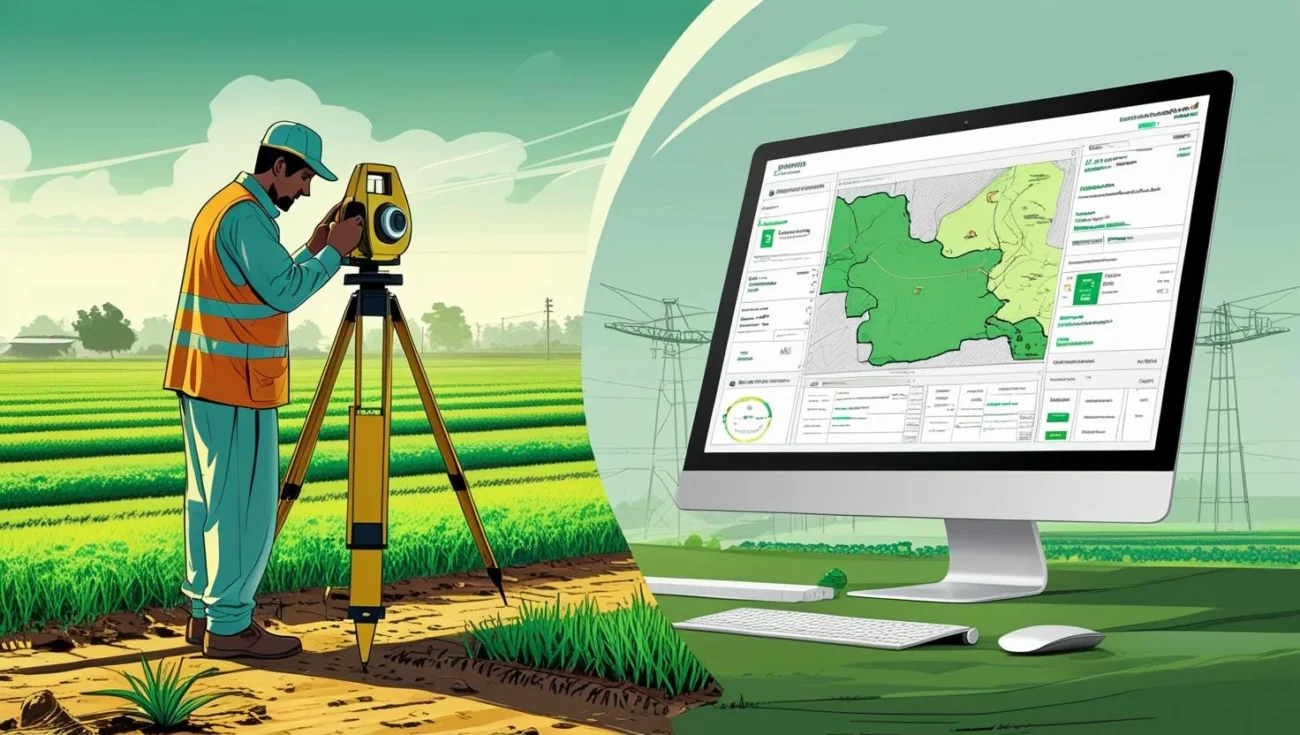
Buying or selling property in Punjab used to mean a lot of paperwork, a lot of trust in middlemen, and not much certainty. That’s changing. One of the more recent additions to this push toward digital, secure property records is the Green Property Certificate. If you’ve been searching for what it actually is, how to get one, whether it can be done online, and what it costs, you’re not alone — owners, buyers, sellers, overseas Pakistanis, and investors are all asking the same questions right now. At its core, a Green Property Certificate confirms that a property’s legal status, ownership, and possession have actually been checked and verified — not just claimed. It exists to cut down on fraud, fake ownership claims, blurry boundaries, and the disputes that tend to pop up during a sale. Whether you’re dealing with land, a house, a commercial unit, or agricultural property anywhere in Punjab, this is quickly becoming a document worth having. Below is a full breakdown — what the certificate is, why it was introduced, how to apply, what it costs, what documents you’ll need, and answers to the questions people ask most often. What Is a Green Property Certificate? A Green Property Certificate is an official verification document issued through Punjab’s land record system. It tells you, in effect, that a property has been checked against official records and that its ownership, possession, and legal standing hold up. Put simply, it’s proof that the paper trail behind a property is clean. That matters to owners, of course, but it also matters to buyers, banks, and legal authorities, since the certificate is directly tied to official land records rather than just a seller’s word. It does more than confirm who owns what, too. The verification process also looks for legal red flags — disputes, unpaid dues, an existing mortgage, objections filed against the property — so the certificate ends up functioning as a kind of due-diligence report as much as an ownership document. Why Was the Green Property Certificate Introduced in Punjab? For decades, Punjab’s land records were largely manual, and that came with predictable problems: disputed boundaries, fraud, multiple people claiming the same piece of land, and records that simply didn’t match reality. Anyone who’s dealt with property in the region has probably heard a story (or lived one) involving fake documents or a sale that fell apart over an ownership question nobody saw coming. The Green Property Certificate was brought in to close those gaps — to give ownership a verifiable, digital backbone instead of relying purely on paper that could be forged or misplaced. A few of the goals behind it: For a buyer, it works almost like a pre-purchase inspection — a check before committing serious money. For a seller, having one in hand can make the whole negotiation smoother, since it removes a layer of doubt the buyer would otherwise have to chase down themselves. Who Needs a Green Property Certificate? This isn’t only for people in the middle of buying or selling. It’s relevant any time ownership or possession needs to be beyond question. You’d likely want one if you’re: Even if none of these apply to you right this moment, it’s still worth having on file — property situations change, and having verified status ready in advance saves time later. Green Property Certificate Punjab Online Apply A lot of people type “Green Property Certificate online apply Punjab” into Google expecting a fully online process, start to finish. That’s not quite where things stand yet. The system is moving in a digital direction, but in most cases you’ll still need to visit your nearest Arazi Record Center in person for identity verification, biometrics, and to actually open the case. What online tools can help with is information, fee payment, tracking your application, and filing objections — but the certificate itself isn’t something you download after filling out a form. Officials have to verify ownership history, possession, boundaries, and check for any objections before it’s issued, and that requires more than a digital form submission. A realistic way to approach it: So plan for at least one ARC visit, even if some of the peripheral steps can be handled from home. How to Get Green Property Certificate in Punjab The exact steps can shift a bit depending on your district, the type of property, and how clean the existing record already is — but here’s the general path most applicants go through. Visit the Nearest Arazi Record Center You start by visiting your local ARC. You’ll usually be issued a token, and a service center official opens your Green Property Certificate case in the system from there. Submit Property Details Next, you provide the full property information — khewat number, khatooni number, khasra number, registry details, mauza, tehsil, district, and any other land record references that apply. If the property sits within a housing society, expect to provide a few society-specific details on top of that. Pay the Required Fee You’ll pay the processing fee through whichever method is available to you — Bank of Punjab counter or branch, a PSID, e-Pay, a mobile wallet, or online banking, depending on what’s offered at that center. Complete CNIC and Biometric Verification Your identity gets verified against your original CNIC plus a biometric check. This step exists to confirm that the person standing in front of the official is actually the person tied to the property record. Ownership History Review From here, officials dig into the ownership history — past transactions, sale records, transfers, inheritance details, anything relevant to how the property changed hands over time. This is where they confirm that previous transfers were legitimate and that your claim to the property actually lines up with what the official record shows. Check for Disputes, Taxes, Mortgage, or Court Orders The record also gets checked for unpaid taxes, an existing bank mortgage, pending litigation, stay orders, or any other legal restriction. If something turns up here, expect the