Author name: afzalahmer8@gmail.com

tobacco taxation in pakistan
FBR & Tax Updates

The Growing Significance of Tobacco Taxation in Pakistan

Taxation of tobacco in Pakistan has been seeing an increasingly high profile in the manner it is shaping up the health of the people and in controlling government revenues. Due to the increasing cost of health-care in the country which has been linked to the use of tobacco products, the financial approaches regarding tobacco products has become a national concern. The main aim of the taxation structure around tobacco is to curb the usage of tobacco and generate more revenue to be used by the populace, which is the factor that reinforces the backbone of Pakistani health and revenue policy. Although laws on tobacco control have been enacted and other countries have put pressure on Pakistan, the enforcement and efficiency of tobacco tax in Pakistan still presents challenges. The History of the Tobacco Tax Policy Tobacco taxation in Pakistan has changed in the last 20 years; instead of being a revenue-based instrument, it has become more of a health-oriented policy in terms of its implications. First of all, the main goal was to gather taxes on an industry that has higher profits without paying attention to the consumption patterns or the impacts of the taxes on the health of everyone. Nevertheless, as the world wakes up to tobacco control and in the continued direction of human organizations such as World Health Organization (WHO), Pakistan is learning to reaffirm its policies to the international best practices in control of tobacco. Sometimes, the imposed tax regime has been realigned to match up inflationary pressures and fiscal objectives. Nevertheless, its health consequences came to the primary attention since Pakistan ratified the Framework Convention on Tobacco Control (FCTC). Since that time, the move has been towards ever-increasing excise taxes, and growing regulatory supervision and does not lack opposition on the part of influential players and interests of the industry. Pakistan’s Structuring of Tobacco Taxes Current System in Pakistan The current system of tobacco taxation in Pakistan is that of a multi-layer federal excise duty (FED) mechanism. However, under this system, the government (or at least, state government) can charge different taxes on cigarettes depending on the retail price of the cigarette. Critically, in the past this tiered system has been condemned as a factor that increases access to cheaper brands of cigarettes especially among low-income groups and young individuals contradicting the intended purpose of reducing tobacco consumption. Over the past few years, the tax structure has been simplified by the government. As an example, in the Federal Budget 2023–24, the Ministry of Finance made significant changes to the excise duties by increasing it as well as reducing the range of prices. All the adjustments were made to make the price of cigarettes less affordable to encourage the state to gain revenue. However, even after these reforms several people still say that after inflation has been factored, the actual cost of purchasing cigarettes is still affordable to a large range of the population hence making it impossible to effectively use tobacco taxation in Pakistan. The Cost of Tobacco Taxes Economic Importance of Tobacco Revenue Among the fundamental reasons that drive tobacco taxation in Pakistan, one is that tobacco can form a high-profit income stream. Tobacco industry earns the country billions in the exchequer. This has acted as a stable revenue earner especially during periods of fiscal deficits and instability of the economy. Fiscal revenue authority Federal Board of Revenue (FBR) always reports large amounts of collection in the tobacco relations excise duties. The Policy Dilemma Nevertheless, this acts as a complex predicament because the economy depends on tobacco tax collections. Conversely, the government wants to discourage tobacco use so as to enhance the health trends. On the one hand, it receives the budgetary requirement based on the revenue collected on the sale of tobacco products. This paradox hinders the possibility of providing fierce anti-smoking policies that have the capacity to decrease the use of tobacco and thus the revenue tax. Industry Influence Besides, the availability of a powerful and heavily politically associated tobacco industry is another amplification to this problematic position in policy making. The tobacco firms have a lot to work on and as such, they tend to oppose increased taxation and other policies that are even loyal to their interest. Such resistance undermines the impact of reforms and hinders the overall implementation of tobacco taxation in Pakistan. Social Impact and Public Health Health Goals Behind Taxation Previously, the ultimate goal of raising tax on tobacco in Pakistan was to collect revenue, but gradually, it has changed to protecting the health of the citizens. Pakistan has very high rate of tobacco consumption in South Asia with millions of adults and adolescents addicted to cigarettes and other tobacco products. Care diseases like lung cancer, heart disease and respiratory diseases caused due to the use of tobacco are extremely costly to the healthcare system. Impact on Consumption Increased taxes on tobacco products have been internationally found to lower its consumption in particular the price sensitive consumers such as the young people and the poor existing earners. The research carried out in Pakistan has revealed that any slight rise in price of the cigarette causes a significant decrease in consumption. In this way, the succession of taxation policies could be very effective in eliminating the rates of smoking and controlling the future health expenses related to them. Barriers to Health Impact Unluckily, these health objectives are challenged by enforcement and policy loopholes, high levels of circulation of illegal cigarettes and poor implementation of price control policies. The absence of a unified national policy, coupled with inconsistent implementation across provinces, further weakens its overall effectiveness of the tobacco taxation in Pakistan in relation to regulating the clearance of tobacco products from a public health standpoint. Implementation Difficulties Illicit Trade Regardless of the attempts made to redefine the tobacco taxation in Pakistan, there are some obstacles against which its effectiveness proves to be limited. Leading among the challenges is the issue of illegal tobacco trade. The market is overwhelmed by smuggled and fake cigarettes that are
direct vs indirect tax
FBR & Tax Updates

Understanding Direct and Indirect Tax in Pakistan’s Evolving Taxation System

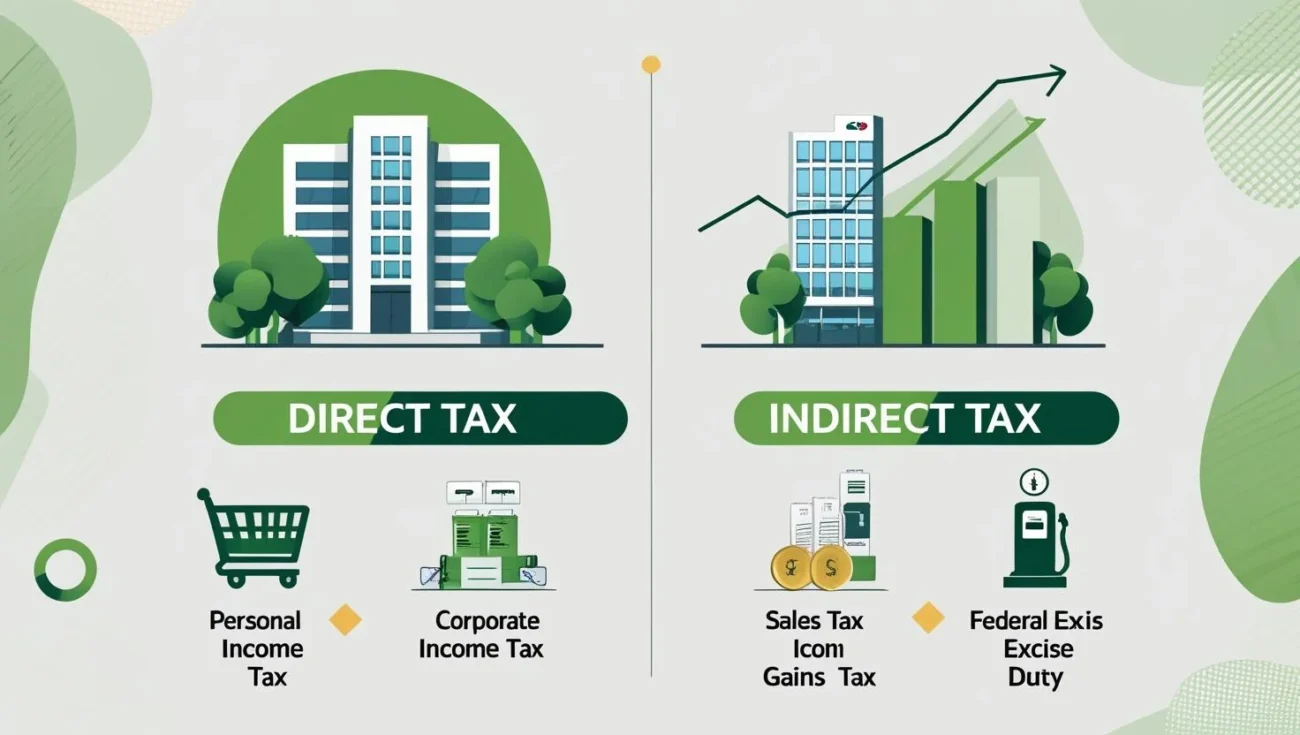
Taxation system in Pakistan has become the focal point concerning national revenues as well as national economical planning. Two of the most talked about areas with respect to this framework are direct tax and indirect tax, which have different implications on individuals and businesses as well as the economy. The two types of taxation are completely different in the way they are enacted and changed and it is important to understand their roles in estimating their social and economic consequences. The new changes that Pakistan has been introducing on the fiscal front have been to ensure a better balance between the two, as the nation strives to enhance equity and enlarge its tax base, and decrease its fiscal deficits. This paper will discuss the nature, efficiency and issues of the two kinds of taxes with reference to the present day in Pakistan. The Role of Direct Tax in Pakistan Income-Based Taxation and Legal Framework Direct tax consists of the taxes charged against the income or profits made by the individuals or businesses. The structure comprises personal income tax, corporate tax, capital gains tax, and wealth tax. These taxes in Pakistan are governed by the Income Tax Ordinance of 2001, which provides the legal basis for their implementation. Direct taxes are counted on to contribute a larger percentage over the years and this can mainly be attributed to the reduction of inequality in income as well as the promotion of financial discipline. Progressive Tax Structure In Pakistan, the more money a person earns, the higher the percentage of tax they have to pay. This is called a progressive income tax system. People who earn more than particular limits are subject to higher taxation rates, and some of the brackets rise to 40%. This system of taxes is meant to see the one having more capacity to pay carry the heavier taxes. Withholding Tax and Corporate Revenue Another important element of direct taxation scheme is withholding tax. It makes it possible to implement collection at the source, prior to when they receive revenue or engage in some financial activities. Unlike other taxes, that require a dedicated effort of collection, this tax is managed by banks, by employers, and by other financial institutions, as they are charged with the task of deducting the tax against salaries, payments, and withdrawals, hence a reliable way of collecting tax. The government also earns money from other taxes like capital gains tax, which is charged when someone makes a profit by selling property or shares. Corporate income tax represents another essential element, imposed on the net profits earned by businesses. Collectively, these instruments constitute the core structure of Pakistan’s direct taxation system. The Nature and Impact of Indirect Tax Tax on Consumption of Goods and Services Indirect taxes, as opposed to direct taxes, are embedded in the pricing of goods and services. They are not charged on income or profit, but instead on the things people buy. When it comes to indirect taxes in Pakistan, the most common ones are sales tax, customs duty, and federal excise duty. Types and Collection Authorities Both the provincial and federal governments are the beneficiaries of sales taxes charged on the majority of goods and services. It can be charged at different sums, but on average, many products are subjected to its 18% when it comes to manufacturers of products. The importation of commodities is subjected to customs duty that safeguards local production and excise duty on limited items such as fuel, tobacco, and luxurious goods. Regressive Nature and Its Consequences A major issue of concern with regard to such a form of taxation is that it is regressive in nature. Because it affects every consumer proportionate irrespective of his/her income level, lower-income households tend to bear a disproportionate burden. This has the potential of causing more poverty and loss of purchasing power to the most susceptible groups in society. The Shift Toward Equitable Taxation Declining Dependency on Indirect Revenue Practically speaking, indirect taxes have accounted for the largest share of Pakistan’s total revenue, occasionally surpassing the 60% mark. Economists and social experts have been criticising this over-dependency as a factor that has increased the distance between the rich and the poor. Nevertheless, the trend has changed as of recent fiscal years; the percentage of direct tax has been on the upswing. Recent Reforms and Revenue Patterns Direct tax has an upward trend in contribution of revenue to the government as compared to years past because in the 2024–25 fiscal years, it contributed almost 49 percent of the total revenue. The reforms that explain such a change are tightening enforcement, personal and corporate tax rate increase, and advancing higher tax tally. Although the indirect tax remains critical, it seems that the government is determined to balance the situation. Influence of Global Financial Institutions International financial institutions have also been able to contribute to this rebalancing effort where they prescribe increased direct tax to be based as a fairer method to finance government expenditure. Following this suggestion, Pakistani tax collectors have increased online utilization, enhanced control of compliance, and stricter punishments of tax evasion. Socioeconomic Effects of Taxation Types Equity Through Income-Based Taxation Taxation has massive effect on the society. Direct tax is inclined to encourage equity, and this is particularly when well applied. It gives the government the capability to impose revenue on the individuals with stronger incomes and disperse it using welfare programs, infrastructure developments, and subsidies on basic services. But issues such as tax evasion, underreporting of income and a low tax base have been the hurdles which have limited its possibilities in Pakistan in the past. Burden of Consumption-Based Taxes Conversely, the prominent application of an indirect tax will mean a steady flow of revenue without taking much toll on the people who need it the least. Those that are not a member of the formal economy, pay taxes that are to some extent based on their consumption. With no exemptions on basic products and services, inflation and tax-related increase in prices have a direct effect on the low-income residents. Informal

Joint Venture
FBR & Tax Updates

Taxation Framework and Growing Concept of Joint Ventures in Pakistan

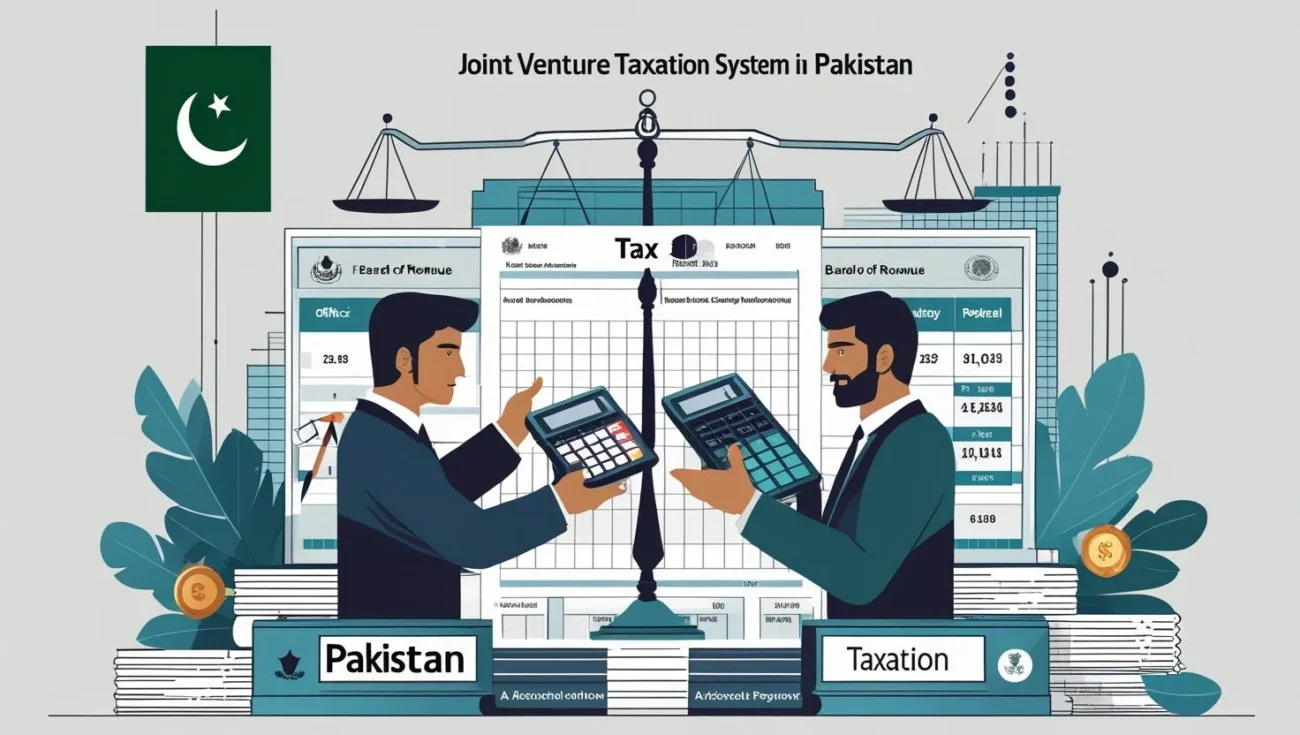
Introduction Strategic Importance in a Dynamic Business Landscape The joint venture concept has taken modern dimensions in the vibrant business environment in Pakistan and it comes up as a strategic approach of businesses to undertake jointly beneficial ventures. Such a business model can be used whether it is in infrastructure development, energy exploration, agriculture, or even technology, since two or more units are able to combine their resources, expertise, and even capital in order to meet certain goals. It becomes a favored destination both of the local and foreign investors who want to expand in the Pakistani market. Structural Nature of Joint Ventures A combined venture act in Pakistan can be discussed as a situation when parties of the venture have their own, independent legal identities, united by a certain amount of work. Contrary to a merger or an outright acquisition, this system is usually developed with a defined time frame in mind or with a given project. The model helps the businesses avoid financial risk, distributes the responsibilities in the operations, and draws on domestic expertise. This is particularly of benefit to foreign companies who come to the Pakistani market and may find it challenging to meet the regulatory and cultural environment. Tax Perspective on Joint Ventures In addition, the government in some instances of the Pakistani legal framework can consider revenue earned out of a combined venture as a taxable body. This implies that despite the fact that a joint venture might not be registered as an individual company, its income might be taxed according to the Income Tax Ordinance, 2001. This treatment lies in the fact that any organization that makes any profit in Pakistan is obliged to go by the tax laws of Pakistan, This is why the partnership company might establish a joint venture that could be subject to taxation, regardless of whether it takes the form of an equity-based or contractual arrangement. Legal Framework and Structure of Joint Venture in Pakistan Types of Joint Ventures: Equity vs. Contractual In the Pakistani business environment, there are two broad types, which is a joint business enterprise. In the first type, a new legal organization is formed (equity-based), whereas in the second form, a joint business is conducted using a contractual agreement without the creation of a separate company. The selection of these structures lies in the method in which the venture is undertaken with regard to its scope, length, and the complexity involved. In an equity-based joint venture, the parties form a new business and become shareholders, and on the other hand, in a contractual collaborative venture, parties are linked together via a joint venture agreement that is only binding to them. Legal and Regulatory Requirements In Pakistan, the legal framework governing joint ventures—regardless of their structure is primarily based on the Companies Act, 2017, the Contract Act, 1872, and relevant sector-specific regulations. The regulatory framework governing entities is defined by the Securities and Exchange Commission of Pakistan (SECP), the Federal Board of Revenue (FBR), and the Board of Investment (BOI). The business may have to go through further authorizations by other regulators in specific industries, like the National Electric Power Regulatory Authority (NEPRA) or the Oil and Gas Regulatory Authority (OGRA). Tax Responsibility and Compliance The other legal consideration is the way the taxation is handled. The legal formation of a joint venture directly impacts its tax classification, determining whether it is assessed under partnership rules or corporate taxation frameworks.The setup itself may be made liable to taxation even without the joint venture being registered as a formal entity. That puts a burden on the parties involved to maintain that there are no ambiguities in the joint venture agreement as to how the mechanism of sharing profits will be worked between the parties, and who is going to take care of implementing the tax requirements. Significance of a Detailed Joint Venture Agreement Legal Foundation and Operational Clarity Any successful system must be built around a good-staged joint venture agreement. In Pakistan, it serves as the main legal document which stipulates the rights, obligations, sharing of profits, structure of authority, and such termination-agreed clauses between partners. Taking into account that the environment under which the joint venture is operating is very complex and even wild at times, It is essential that this agreement covers all potential scenarios, including options for dispute resolution and handling unforeseen circumstances. Financial and Taxation Clauses The joint venture agreement should also clearly outline the tax liabilities of each party involved. Given the various ways tax authorities may treat a joint venture either as a separate tax-paying entity or by taxing the individual participants it is crucial that the agreement clearly defines the applicable tax responsibilities to ensure compliance. Also, the provisions concerned with revenue recognition, expense allocations, and capital investment have a prominent role in the tax calculations that might have to be paid because of the system based operations. Avoiding Legal Risks Such legal disputes and penalties can be witnessed in the Pakistani sphere when the responsibilities are not formalized in the detailed joint venture agreement, especially when it comes to the taxation. It is also necessary that businesses comprehend the fact that such arrangements may come under the scrutiny of the Federal Board of Revenue in cases where all parties involved are not playing their part as far as the fiscal concerns are concerned. Taxation Implications for Joint Venture in Pakistan Taxable Status of Joint Ventures One of the important legal considerations in Pakistan is how income from collaborative business arrangements is taxed. Even if such an arrangement is not established as a separate legal entity, it may still be treated as a taxable entity under the relevant laws. In practice, any income generated through joint operations within the country is subject to taxation, regardless of the specific legal structure involved. Entity vs. Participant-Based Taxation The logic behind this understanding is the fact that the Pakistani government taxes all income earned within the country. When a joint system is organized as an entity, it is an entity that is taxed under tax laws just like other corporations. But in case

excise tax sindh
FBR & Tax Updates

The Role and Structure of Excise Tax Sindh in Pakistan’s Fiscal System

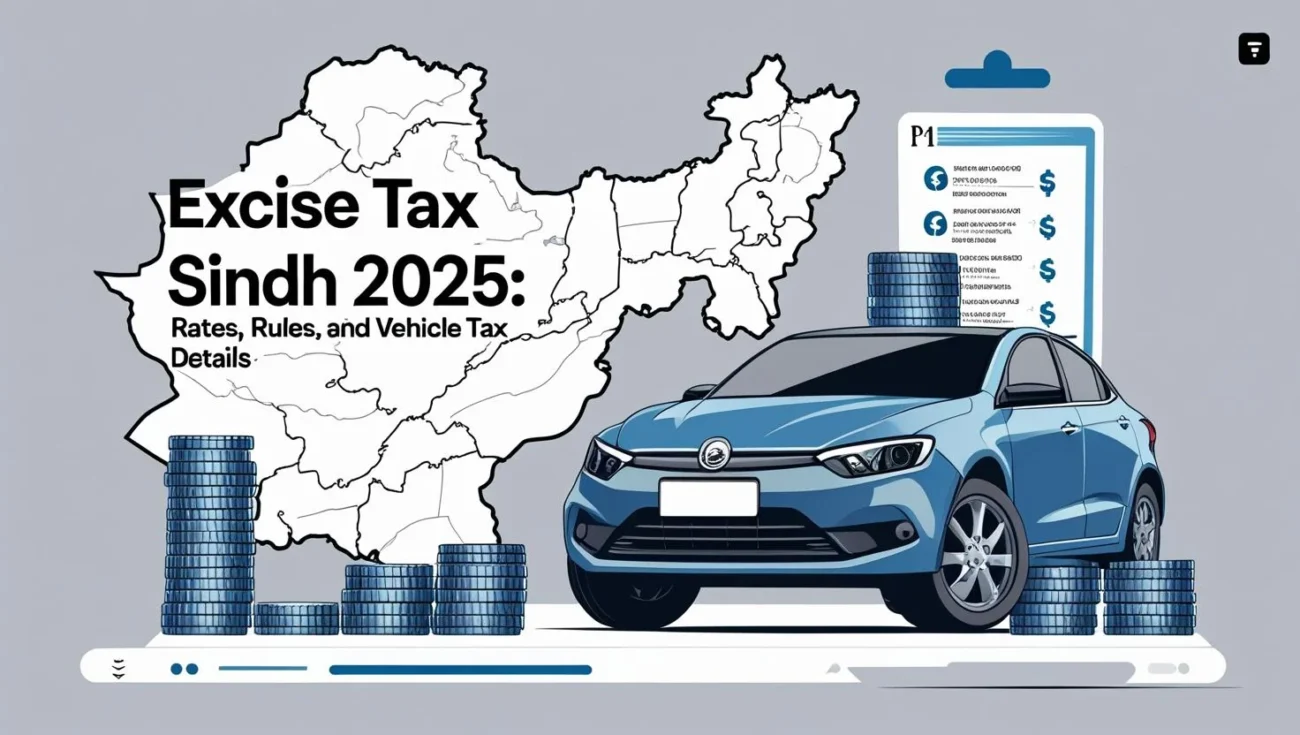
The taxation system in Pakistan serves as a primary mechanism for mobilizing financial resources necessary to sustain public infrastructure, service delivery, and administrative operations. Out of the various types of taxes, excise tax is a very good source of revenue both at the federal and provincial level. This tax is charged on certain goods, services, or actions and is usually paid when the goods are made or sold. Provinces have different administration, rate structures and mechanisms, with one of the more localized and complex forms of this system being excise tax Sindh. What is the Excise Tax? Excise tax is a kind of tax that’s added when certain products are made, sold, or used. As opposed to the general sales tax that charges a wide variety of goods, excise duties are charged on a limited number of goods including tobacco, alcohol, vehicles, real estate purchases and luxury goods. The justification of such a tax can comprise revenue collection, deterrence of the bad use, and control of the expensive transactions. In Pakistan, excise tax is governed at the federal level (as a part of the Federal Excise Act, 2005) and by individual provinces excise and taxation units. Some of these departments include collection of different duties such as property excise tax, car excise tax and professional taxes. Excise Tax Administration in Sindh The structure of excise tax Sindh is managed by Sindh excise, Taxation and Narcotics Control Department. It operates in matters of excise laws and collection of taxes on motor vehicle, property and professional activities in the province. The department is also providing control over narcotics and acts as a regulator in bringing down the illicit trade. The incidents of excise tax Sindh entail taxation of entertainment, tobacco products, certificates, and alcoholic drinks. More so, it has the powers to collect vehicle registration and token taxes thus making duty on car excise among the most commonly addressed among the people of Sindh. Types of Excise Tax in Pakistan Car Excise Tax Car excise tax is one of the most common taxes that ordinary people deal with. It is charged when a new vehicle is registered in Pakistan and usually needs to be renewed every year. How much you pay depends on the engine size, the kind of vehicle, and whether you own it personally. In Sindh, the tax is higher for imported and luxury cars compared to others. Excise tax on cars in Sindh can be paid by visiting specific branches or aches or through the online system that is provided by the provincial department. Government has been digitizing to make it easy to pay excise tax to the government by the vehicle owners. Property Excise Tax The other important sources of revenue include the property excise tax, which is relevant especially in the more urban areas such as Karachi and Hyderabad. It is placed on residential, commercial and industrial premises depending on matters like location, area covered and usage. The liability for this tax is determined on an annual basis and is administered by the provincial authorities.In the excise tax Sindh, the system of property valuation and computerization of tax where one has to pay tax has been questioned as very out-dated. There are reforms in the process that require property records to be digitized in addition to incorporating geo-tagging system to enhance compliance and transparency. Tax on Goods and Entertainment Taxes like excise duty also apply to the sale or production of products such as alcohol, tobacco, cement and steel and to services such as entertainment and adverts. These responsibilities are either fixed or percentage-wise depending on the nature of the item or service. As an instance, alcohol manufacturing units face a heavy tax imposed upon them under the excise tax Sindh, and entertainment taxes are imposed on tickets of movies and performances. These taxes don’t bring in a lot of money overall, but they’re used to help guide behavior and match the goals people have for government policy. Excise Tax Payment Systems In its effort to increase compliance through the ease of payment of the excise taxes, government has indicated that it is important to simplify the process of paying taxes. In Sindh, the payers are getting an opportunity to pay the dues, using online portals connected to NADRA, dedicated bank facilities as well as mobile applications. Such convenience of access benefits especially car and property owners who used to wait in long lineups and would work inefficiently handled by people. Administatively, digital means of payment of excise taxes not only allow reducing the administrative load, but also contributes to keeping an unequivocal audit trail. With such systems developing, it is anticipated to have more similar taxation items added to digital infrastructure within the excise tax Sindh category. Issues in Excise Tax Collection Although digitization and reforms are increasing, there are still a number of challenges in the efficient imposition of excise tax in Pakistan. These are the low levels of public awareness, tax evasion, valuation of properties as of old, and poor collaboration among the agencies. The situation is worsened with the revenue collection in the corrupt and inefficient provinces such as Sindh. More precisely, lack of registered properties, inaccuracy of databases containing information of vehicles, as well as inability to enforce compliance with the excise tax Sindh, are the challenges that hinder the effectiveness of the excise tax. Due to this, the province seems to perform poorly on revenue collection yet there is more potential. Reforms and Future Prospects With the realization of such problems, federal and provincial governments are reforming. These are improvement in the database integration between FBR and the provincial departments, utilization of GIS mapping in the property excise tax and enhancement in the web-based excise tax payment systems. Sindh especially is trying to simplify those processes of collection, updating old laws and automatizing the process. It seems that excise tax Sindh is becoming more policy-based and digital. The government is supposed to increase the scope of taxation, minimize the exemptions and make compliance stringent.

Progressive Tax system in Pakistan
FBR & Tax Updates

The Role of Progressive Tax in Reducing Inequality and Empowering Pakistan

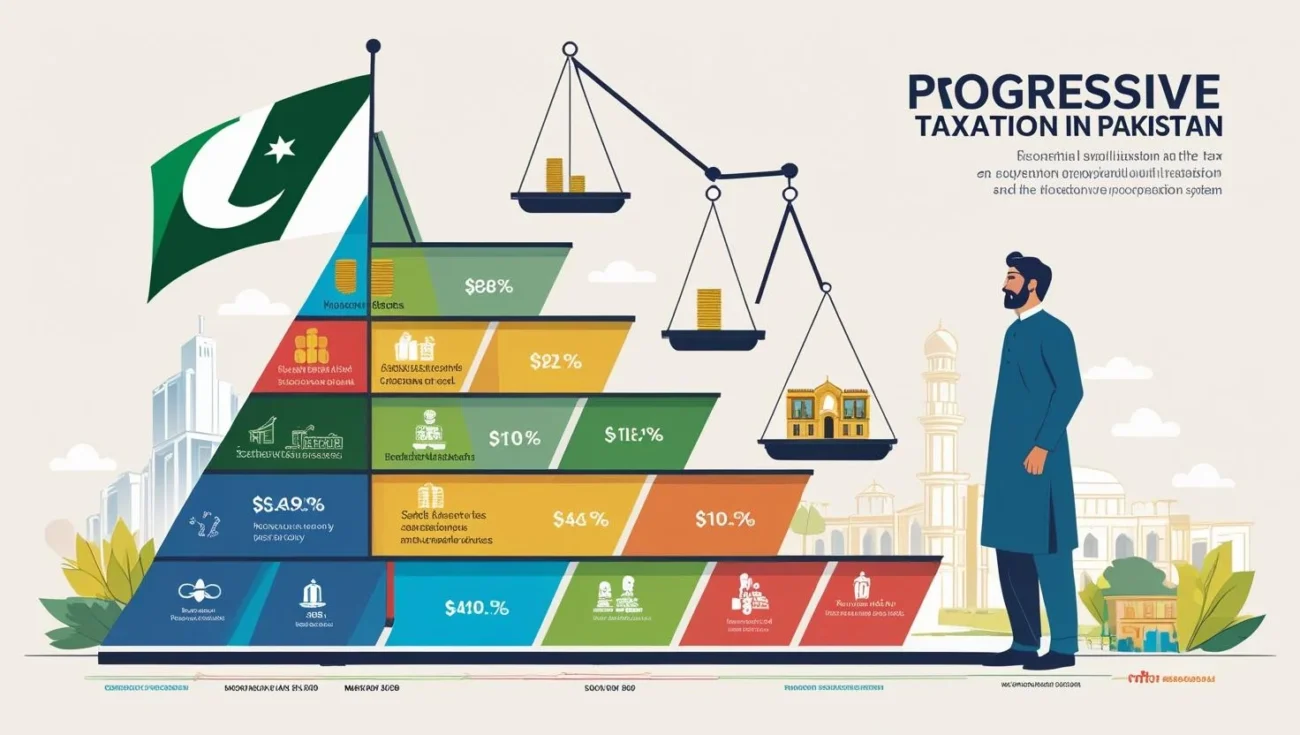
A progressive tax system is one in which the tax rate increases progressively as an individual’s income rises. Those undertakings or people who have greater incomes contribute a bigger portion of their revenues as taxes. Such a system is meant to bring equity because the financially stronger will contribute more to the state coffers. Unlike the flat or regressive taxes, the progressive allows the taxation to be right according to the ability of an individual to pay. Global Relevance and Local Need Although applied worldwide, in Pakistan, a state facing severe income inequality and low amounts of the public resources, the progressive tax structure is especially crucial. It provides an avenue to a pro-equitable economic growth by ensuring a per capita share of taxes among the various income groups. Progressive Taxation Structure in Pakistan Slabs of Income Tax on Individuals Personal income tax in Pakistan is the most prominent form of progressive tax in the country. The government has come up with income slabs to front salaried people, and the rates rise at every stage. As an illustration, individuals who earn less than 600 thousand Pakistani rupees per annum normally do not pay taxes, whereas high paying individuals, more so those arguing that pays above 6 million Pakistani rupees pay their taxes at high rates. These are rates that are updated every year through Finance Act. Corporate Tax and Sectoral Differences Progressivity is also implemented in the corporate tax systems of Pakistan, i.e. the bigger and more profitable corporations, e.g. telecom operators and the banks are taxed at higher rates. Nevertheless, there are several exceptions and subsidies to particular industries that tend to cancel out the impact. Furthermore, most of the businesses are informal and do not pay taxes in any manner which undermines the system and its equity. Use and Significance of Progressive Tax Addressing Income Inequality The argument that progressive tax can be most effectively used in Pakistan since it will help to eliminate the high levels of income inequality that exist in the country is one of the strongest reasons why the progressive tax is the best system or taxation in the country. Under the proper application, it enables the state to get increased incomes out of the pockets of those who are able to pay, and use that amount of money in the betterment of the marginalized population. Funding Essential Public Services The areas that are most vital like healthcare, education, supply of water, sanitation and transport gets its much needed funds through progressive taxes. Such services are particularly crucial in the poor parts of Pakistan where people cannot use nearly anything except the government support. The Consequences of Inequality in Economy Regional Inequalities and Metropolitan-Rural Divide It’s not just about people being rich or poor in Pakistan—whole regions face different economic realities. Investment and services remain much higher in the urban centers such as Lahore, Karachi, and Islamabad, as opposed to the northern region of Balochistan or in the southern region of Punjab. This inequality can be reversed by taxing those in a better position to pay at progressive rates and redirecting the money to areas which the state has not been attending to. Concentration of Wealth and Social Instability In a situation where a small percentage of the populace possess most wealth, not only is it the cause of resentment but it also blocks economic movement. Progressive taxes can be used to redistribute wealth, ease tensions and make the economy less exclusive. Key Implementation Problems Widespread Tax Evasion Escape is one of the greatest challenges to the existence of progressive taxation system in Pakistan. Some of the rich and corporates distort financial records, transfer earnings to tax-free zones or operate in informal economy to evade paying taxes. This compromises the system. Poor Filing Tariffs and Informal Economy India has a population of more than 240 million people and there are less than 4 million people who pay taxes every year. The informal sector extends to include the small traders, big landowners to the farmlands and their activities are usually unregulated. What this entails is that there is a unjustified heavy burden placed on the taxation on the compliant salaried individuals. Institutional Weaknesses In Pakistan, taxes are collected by the FBR—but many say it’s slow, old-fashioned, and riddled with corruption. The presence of weak institution results in ineffectiveness of the best designed progressive tax system due to poor enforcement. Reforms Needed to Strengthen the System Widen the Tax Base To make a progressive tax system functioning in Pakistan, there is a need to hoist more individuals into the tax net. This encompasses the highly income people in the real estates sectors and agriculture as also the informal businesses that are now operating with zero taxes. This would also relieve the middle-class earners of getting burdened much by increasing the base. Digital Infrastructure Tax improvement can be revolutionary with the help of technology. With the usage of the digital invoicing, e referencing and monitoring of transactions in real-time, the government can monitor incomes in a more responsible and be able to detect evasion. This does not only enhance transparency but also creates confidence within the taxpayers. Tax Simplification Complexities in the taxation system are a disincentive to paying taxes and provide loopholes to be exploited. By making the system simple and transparent, a lot more individuals will be ready and able to pay their dues. The effectiveness of a progressive tax system depends on robust enforcement mechanisms supported by a straightforward design, which amplifies its intended impact. Rebuild Trust in FBR The tax system lacks credibility among people. Citizens have the fear of their tax getting wasted or misappropriated. The restoration of trust can also be created through transparent budgeting, visible audits, improvements in services that can lead to voluntary compliance and adherence to progressive policies. Greater Social Impact Of The Society Civic Duty and National Development An efficient progressive tax ensures the citizen has a civic orientation. The individual will be more willing to pay taxes when

Double Taxation in Pakistan
FBR & Tax Updates

Decoding Double Taxation in Pakistan Legal Framework and Treaty Applications

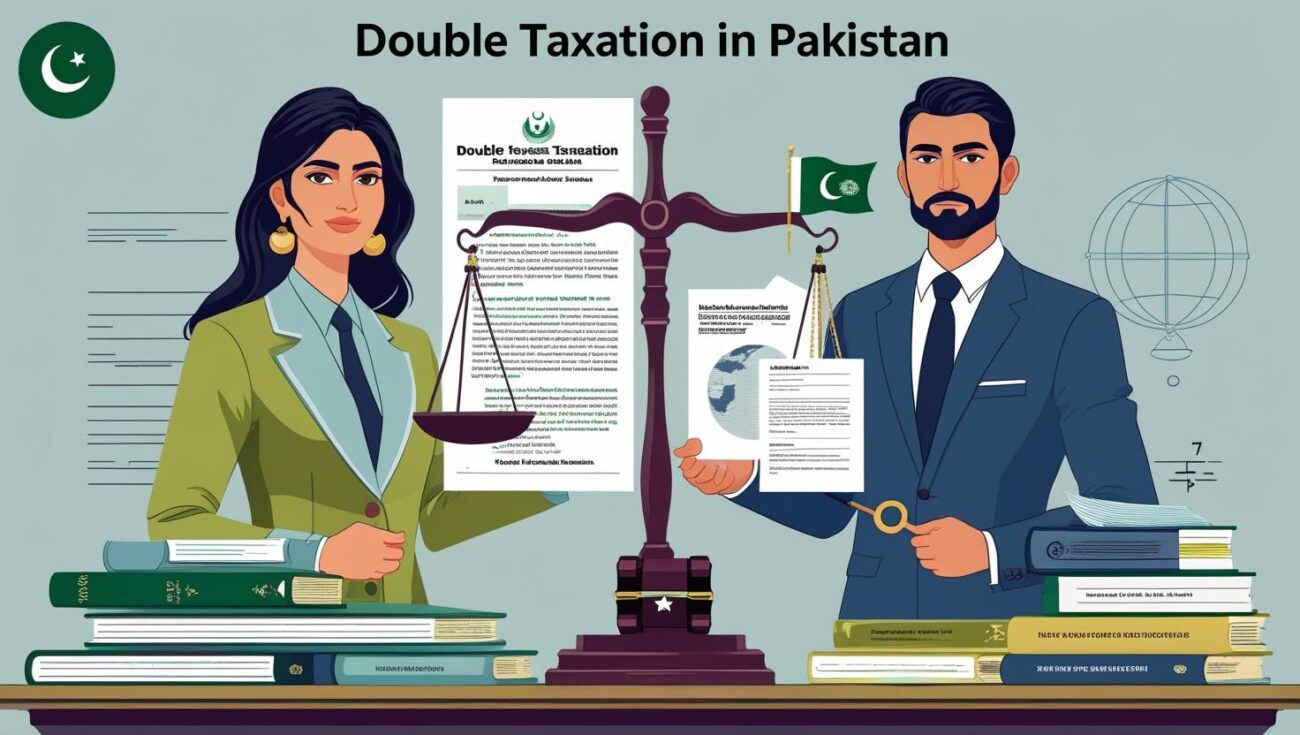
Issue of double taxation in Pakistan is a big problem for residents and non-residents engaged in cross-border business activities. The situation that gives rise to the double taxation is due to the taxation of one and the same income in two different countries, which can lead to significant monetary and administrative costs for taxpayers. Countries having international trading tend to get in such cases when people or companies are getting taxed both at the state of residence and at the source state. As a member of the international community and a party to numerous bilateral treaties, Pakistan has dealt with it in the national laws and international instruments. Double taxation in Pakistan is based on the principle of resolving different types of tax conflicts confining specific legislative provisions, International Comity and judicial constructs. This Article examines the problem of double taxation in Pakistan, its nature, causes and remedies, especially in the context of double taxation agreements, the recommended provisions of the treaty and the case law. Understanding Double Taxation in Pakistan The incidence of double taxation arises if a person or a company is taxed on the same income in Pakistan as well as in another country. Such a situation arises most frequently in international business situations, where the Pakistani company earns income outside Pakistan, or the foreign company is operating in Pakistan. Foreigners working in Pakistan and Pakistanis working overseas are similarly exposed to double taxation hazards. After petroleum products, taxes can also be levied on the production and consumption of electrical, water and gas. Thus, Pakistani-source income is subject to tax in Pakistan, irrespective of the residence of the taxpayer. But Pakistani tax also apply residence base taxation in some cases so it happens with other other countries tax law collides. Such overlap necessarily raises the spectre of double taxation unless steps are adopted to prevent or mitigate it. Measures Taken in the Country to Prevent Double Taxation Double taxation issue in Pakistan is conciliated through few sections in local tax laws known as the Income Tax Ordinance, 2001. There is a Foreign Credit Available to Claim a Tax Credit (Clause 103) Section 103 of the ordinance relates the foreign tax written in taxes paid to a foreign government on income that is also taxed in Pakistan. The credit is also limited and there are documentation requirements. But such domestic relief mechanisms are frequently not effective in the face of foreign tax jurisdictions which have their own sets of rules. Therefore, Pakistan has signed double taxation treaties with numerous countries in an effort to lessen the load of double taxation through joint policy. Role of Double Taxation Agreements “Double taxation agreement (DTA) is when two sovereign countries have entered into an agreement in order to avoid a situation where the same income is taxed in both countries.” Pakistan has concluded more than 65 double taxation agreements with various countries such as the UK, the US, China, Germany, Dubai and Saudi Arabia. Such agreements are intended to promote international trade and investment for certainty, Equity and freedom from double taxation. Withholding tax rates may also be reduced through tax treaties Pakistan has with other countries which dictate special rules for how certain types of incomes (dividends, interest, royalties, business profits, capital gains) are taxed. Typically, the DTA provides for that taxing right to be attributed solely to one country (particularly in the case of a revenue (in this case, a royalty) not effectively connected with a PE) or it restricts the rate of tax that can be imposed by the source country. E.g. under the Pakistan – UAE DTA profits derived from business is only taxed in country of residence unless business is carried on through a PE in another country. These treaties also place limits on withholding tax rates for dividends and royalties, thereby reducing the tax burden on cross-border payments. Methods of Eliminating Double Taxation Under Tax Treaties Most of Pakistan’s double taxation agreements allow for relief via one or both of the following methods: Exemption Method In that structure, income taxed in one jurisdiction is not taxed in the other. In this manner, the income is taxed only once, thereby avoiding double taxation. Tax Credit Method Under this method, foreign taxes paid are allowed as a credit against home-country tax. In Pakistan, this method is more generally accepted and is specifically included under tax treaties and the Income Tax Ordinance. In this way, the taxpayer can minimize its total tax liability while respecting the legal requirement of both countries. Key Clauses in Double Taxation Treaties Adopted by Pakistan Although these treaties vary, there is a standard set of clauses which can be found in most double tax treaties that Pakistan has agreed: Permanent Establishment (PE): Determines the level of business presence that incurs tax in the host state. Withholding Tax Provisions: Provides the applicable withholding tax rates for dividends, interest, and royalties. Non-Discrimination provision: Guarantees taxpayers from within and outside of Georgia are treated the same in like positions for tax purposes. Mutual Agreement Procedure (MAP): An avenue for resolution of disputes between the tax authorities of the contracting countries. Information Exchange: Helps in exchanging tax information between the two nations to prevent tax evasion. These agreements aimed at not only avoiding double taxation in Pakistan but also encourage cooperation and transparency between tax authorities. Double Taxation Case Laws in Pakistan The interpretation and application of double taxation treaties often lead to legal disputes that are resolved through court decisions. These double taxation case laws in Pakistan help define the scope and limitations of tax treaties and provide guidance on complex issues. One notable case is the Income Tax Department vs. Schlumberger Seaco Inc., where the court dealt with the issue of whether the foreign entity had a permanent establishment in Pakistan under the applicable treaty. The court held that without a fixed place of business in Pakistan, the entity could not be taxed on its business income under the treaty, reaffirming the principle that tax

Books on Taxation in Pakistan
FBR & Tax Updates

Your Essential Guide to Books on Taxation in Pakistan

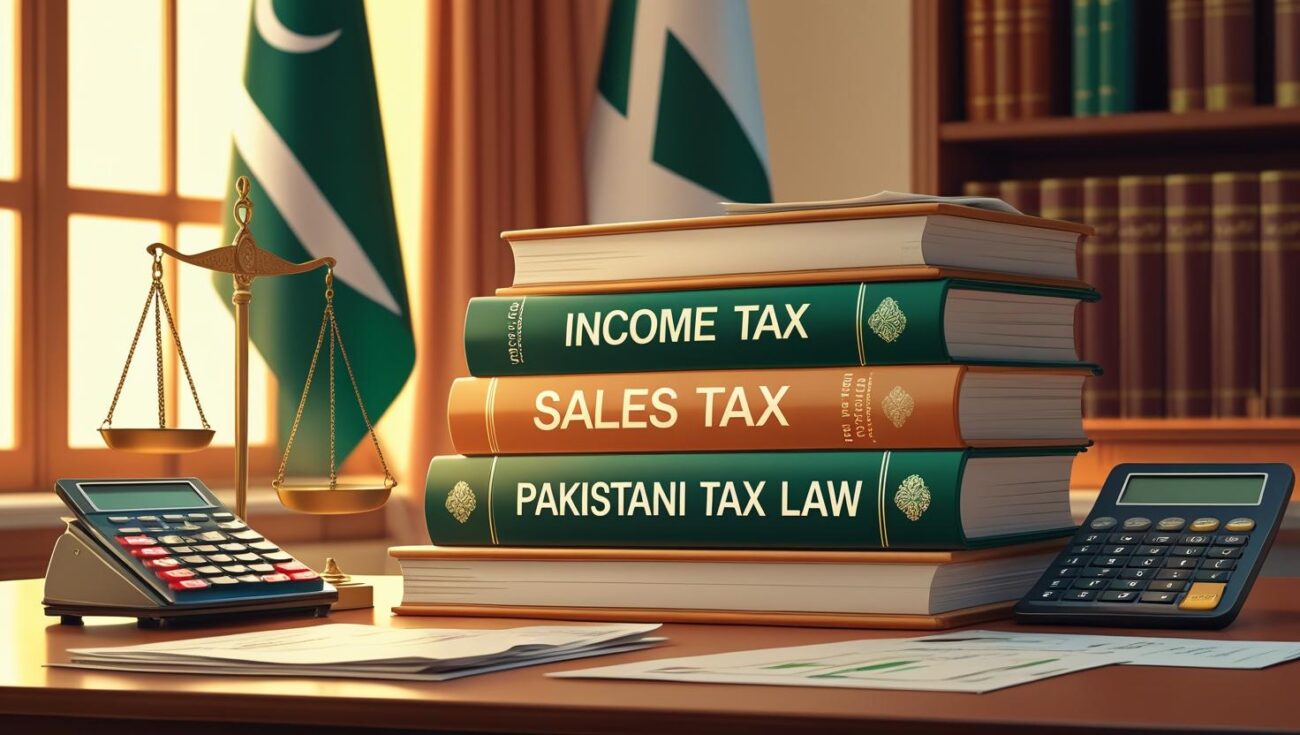
It is important to know your tax laws in every country, but particularly in Pakistan as the ever changing tax regime in the country due to legislative amendments and regulatory updates can really catch you off guard. Taxation books in Pakistan are an ideal choice for students, law practitioners, tax lawyers and business people to get acquainted with this complicated subject. The books are academic textbooks and important professional tools for a wide variety of subjects including income tax, sales tax, customs duty, and federal excise. Books on taxation in Pakistan can assist not only in comprehending the legal structure, but also contribute towards adherence and appropriate financial strategies. This article provides some valuable on why these books are important, what to expect inside them, what features to look for, the best authors and publishers, and who can benefit from the books. The Function of Taxation Textbooks in Pakistan Books on taxation in Pakistan substantiate the difference between text of law and its practical interpretation. In Pakistan, tax matters are overseen by the Federal Board of Revenue (FBR), which is known for regularly updating laws and frequently revising regulations. To keep abreast of such changes requires information, so that individuals and organisations know how to comply with them. Tax books provide time-tested anchors for navigating these changes. They describe difficult tax rules, break down filing requirements, and shape judicial decisions. More importantly, they also help readers correctly apply the law to their particular situations. Ideal for filing tax returns or for students embarking on professional exams, here are updated and up-to-date books on taxation in Pakistan. Categories for Taxation Books in Pakistan Books on taxation in Pakistan can be generally divided based on target readers and contents’ level. Each of them has their specific role, and is employed in certain contexts. Academic Textbooks Textbooks are generally tailored for students pursuing commerce, law, and accountancy. They are specifically designed to align with the syllabi of institutions such as the University of the Punjab, the Institute of Chartered Accountants of Pakistan (ICAP), and the Association of Chartered Certified Accountants (ACCA). The content is presented clearly and concisely, organized into practical sections, and enriched with examination-style practice questions, exercises, and worked examples. Books such as Dr. Muhammad Afzal’s Taxation in Pakistan and others written by Sohail Afzal and M. Idrees are among the most popular academic textbooks. These publications are dedicated to elucidating tax concepts and fundamental tax computations for the benefit of students. They aim to make the tax laws accessible to college students who have had little or no exposure to the tax law previously. Professional Reference Books Professional reference books are geared toward chartered accountants, tax consultants, lawyers and auditors who deal with detailed provisions of the law and legal interpretations. Such publications may contain detailed ancotations to Income Tax Ordinance, 2001 and Sales Tax Act, 1990. They also provide references to applicable case laws, judicial interpretations, and comparisons with previous provisions. Famous case law books: Pakistan tax laws by Mirza Munawar Hussain, The income tax ordinance explained by Altaf Sheikh. These pakistan tax law books are updated as and when new finance act is announced and the notes and comments of expert are added to gain the understanding of the law in a much better way. Practitioner’s Manuals Practitioner manuals are written for office use by workaday tax specialists, accountants, and tax lawyers. The handbook is a ready-referencer for tax managers, legal experts and corporate counsels, as it offers access to vital information like tax rates and filing dates, procedure and rules, among others. They may not contain the scholarly or legal analysis depth, but they are so helpful for practical work. Renowned authors like Shaukat Mehmood and firms such as Naveed Zafar Ashfaq Jaffery & Co. consistently publish widely consulted handbooks, revised annually to incorporate the latest developments in tax law. The handbooks on tax and custom law in Pakistan provide quick references and assist tax collectors in the collection of taxes and duties. Features of High-Quality Taxation Books Looking for the best books on taxation in Pakistan. Some qualities would help us to judge the book for its usefulness in understanding the Pakistani taxation system. 1 Legislation is up to date First and foremost, current legislative content is crucial. The law changes annually with the Finance Acts and an old book of this kind can be an implication error waiting to happen. Secondly, detailed commentary is of excellent value. “Books that tell you not just the ‘what’ but the ‘why’ of a legal rule do a better job of imparting a rich knowledge of the material. Third, the good books will contain case law references.High Court and Supreme Court rulings in Pakistan are frequently referenced in the resolution of tax matters. Other added features such as legal definitions, practical examples, quick summary, tax tables and procedural checklists, all serve to make the text user friendly. Exam-style questions, in the form of MCQs, past papers, and solved questions, must be included in academic books, particularly if they are written for student readers. Top Writers and Publishers in Pakistan The credibility of books on taxation in Pakistan largely depends on the author’s expertise and the reliability of the publisher. Some writers have worked up a reputation over decades in the tax law and accounting community. Syed Imtiaz Hussain is a prominent tax attorney whose writings are considered by many practitioners to be the bible for their legal accuracy. The books of Altaf Sheikh are known for their lucid and comprehensive commentaries. Academic writers such as Sohail Afzal have proved instrumental in breaking down the labyrinth of law for students with tight schedules, revision commencing and more. But when it comes to publishers, Iqbal Publishers and Professional Business Publications (PBP) are considered reputable names when it comes to academic and professional tax books. They maintain their own editions annually to reflect tax law updates. Accessibility and Digital Formats In recent years, the availability of digital resources has expanded access to books on taxation in Pakistan. But many of

E Stamp Sindh vs E Stamp Punjab
Land Record Punjab

A Detailed Comparison of E Stamp Sindh and E Stamp Punjab

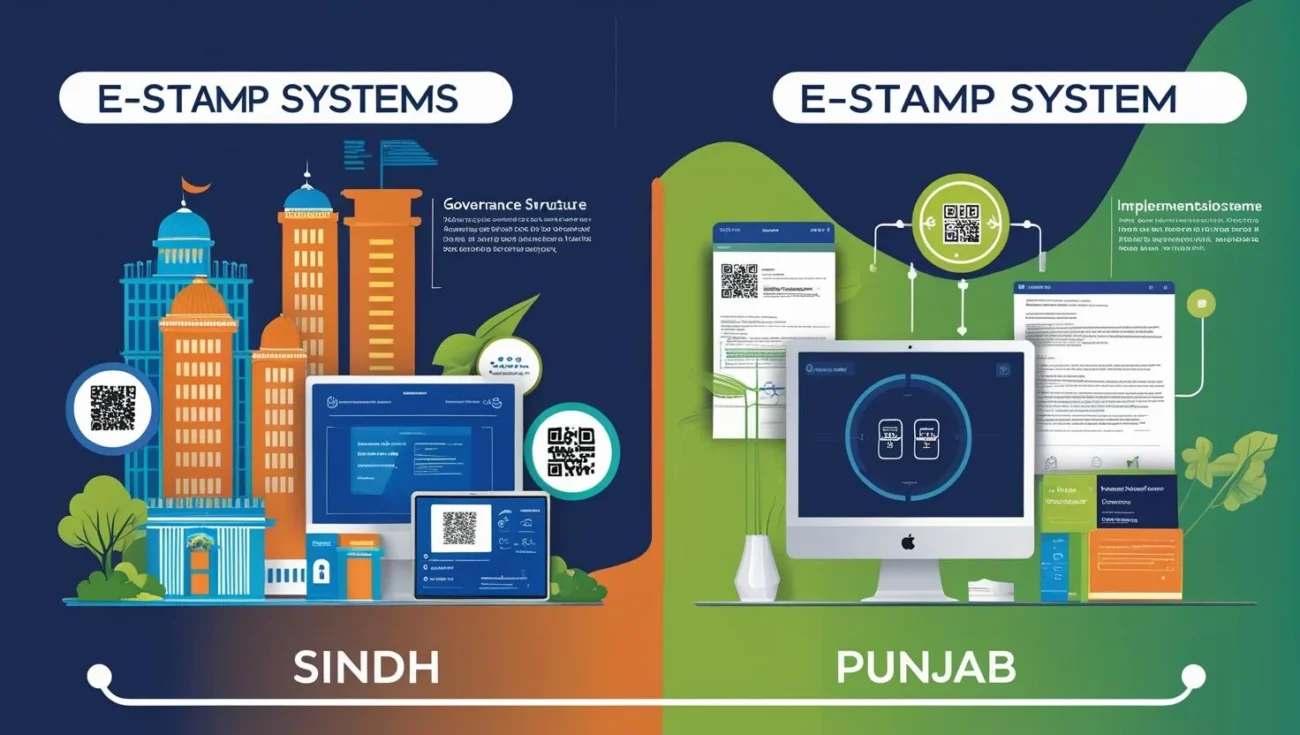
Digitization of Stamp Duty in Pakistan is being realized through e stamp Punjab and e stamp Sindh both of which are online services created and maintained by the government of Punjab and Sindh to handle electronic registrations. The aim of these systems is to make the issuance of stamp papers be easy and secure while reducing the dependence on the physical stamp papers and to provide information about stamp papers and to prevent fraud. While both efforts are aimed towards digital transformation, there are significant differences in design, execution, UI, and operational efficiency. This guideline is specifically about a comparison between e stamp Sindh and estamp Punjab and not about any other system, because both provinces have different systems. Administrative Authority and Operational Control The e stamping in Punjab was introduced with cooperation of the Punjab Information Technology Board (PITB) and is controlled by the Punjab Board of Revenue. The selection of PITB to create the portal was followed by its responsibility to maintain technical aspects and updates. On the other hand e-stamp Sindh is managed by the Board of Revenue Sindh in collaboration with the Sindh Revenue Board (SRB) and National Institutional Facilitation Technologies (NIFT). There are more agencies to consult in Sindh and this affects the procedural process and levels of staff. Key Difference: e stamping in Punjab operates under a streamlined, single-tier governance model managed by PITB, whereas Sindh follows a more layered and complex structure involving multiple stakeholders in its implementation. Platform Accessibility and User Interface The interface of e stamp Punjab is so user-friendly that it is not possible to get stuck. The public and authorized vendors can easily navigate through it. The search and confirmation tools are advanced and hardly needs any information to confirm. While E-Stamp Sindh also offers a web-based interface, its user experience is comparatively less intuitive and user-friendly.Frequently users complain about an even more technical structure and more complicated forms and procedures than on Punjab’s portal. Key Difference: E Stamp Punjab has much more user friendly and professional looking interface while E-Stamp Sindh might be more techy for some users. Registration and Verification Process Under estamp Punjab, people have to provide their CNIC, details of their property and its transaction value. The system will automatically compute the stamp duty payable and will produce an electronic challeng. Verification is carried out using QR codes and digital signatures embedded within the PDF document. With e stamp Sindh you are required to perform a series of activities such as form filling, voucher generation, bank visit for deposit and subsequently, e-stamp printing from the portal. This can verified via certificate numbers or a manual cross-reference. Key Difference: e stamping in Punjab, on one hand, enables faster and complete automated verification and generation, on the other hand estamp Sindh still has manual services and bank dependence. Payment Methods and Bank Integration The e stamp punjab is arranged with bank such as Bank Of Punjab. Digital payment is commonly conducted through internet banking, ATM transfers or bank counters. The whole system is designed to reduce human interaction. Under e stamp Sindh model a typical customer creates a payment voucher and then has to go to the bank “branches of Sindh Bank or National Bank of Pakistan. Sindh’s system has been instrumental in providing little hoard for online payments. Key Difference: Estamp Punjab is trekking along, adding facilities at least in principle to go digital (ease of doing business), but e-stamp Sindh is riding roughshod over you via physical bank bashing. Stamp Duty Calculation Mechanism The e stamp Punjab hosting is equipped with a live stamp duty calculator which works with pre-defined algorithms on per the locality of the property, kind of the document and the transaction amount. These rates are associated with district-level data, and produce quite precise duty amounts. Some other companies also calculate stamp duty electronically such as E stamp Sindh, however, calculations are done with manually input values and there’s little integration with auto market rates data. This may occasionally lead to minor errors or typographical mistakes. Key Difference: e stamping in Punjab In comparison over equities is more automated and accurate due to the fetching of dynamic rates, SF or Sale Deed is still estimated manually but estamp Sindh is also estimated manually. Legal Status and Acceptance Stamp papers created by the e stamp Punjab is valid nationwide with its acceptance to all courts, registration authorities and the banks in the state of Punjab. But for sindh the process is newer and gets update time to time, there are institutions that may ask for manual verification. Key Difference: Both e stamping Punjab and Non Judicial Stamp paper are legally valid, but eStampPunjab is more institutionally acceptable, because of its maturity and large-scale adopted. Vendor Involvement and Licensing The estamp Punjab feature permits registered Stamp Vendors to work in the portal in generation of e-stamps for the customers. It is the province that licenses and monitors these vendors. Vendor participation is much limited in estamp Sindh. There is an increasing focus on individual use of the system. There may still be some intermediaries but they are not as structurally licensed and digitally integrated as in the Punjab. Key Difference: E stamp Punjab has a very organized vendor integration system, whereas e stamping Sindh is more user led and not so much vendor mediations. Fraud Prevention and Security Features E stamping Punjab comes with a number of strong security features such as encrypted certificates, QR code verification, and OTP based user validation. These actions contribute to a high level of fraud and misuse resistance. E stamp Sindh does have basic digital sec Key Difference: E stamp Punjab also offer more secure options for security and fraud prevention than e stamp Sindh. Support and Customer Service E stamp Punjab users will be able to avail of a Support Mechanism, consisting of PITB helplines, live chat, and helpdesk for technical or legal assistance. E stamp Sindh contact can help you whenever you catch yourself in

e stamp verification
Land Record Punjab

Transforming Legal Security with E Stamp Verification

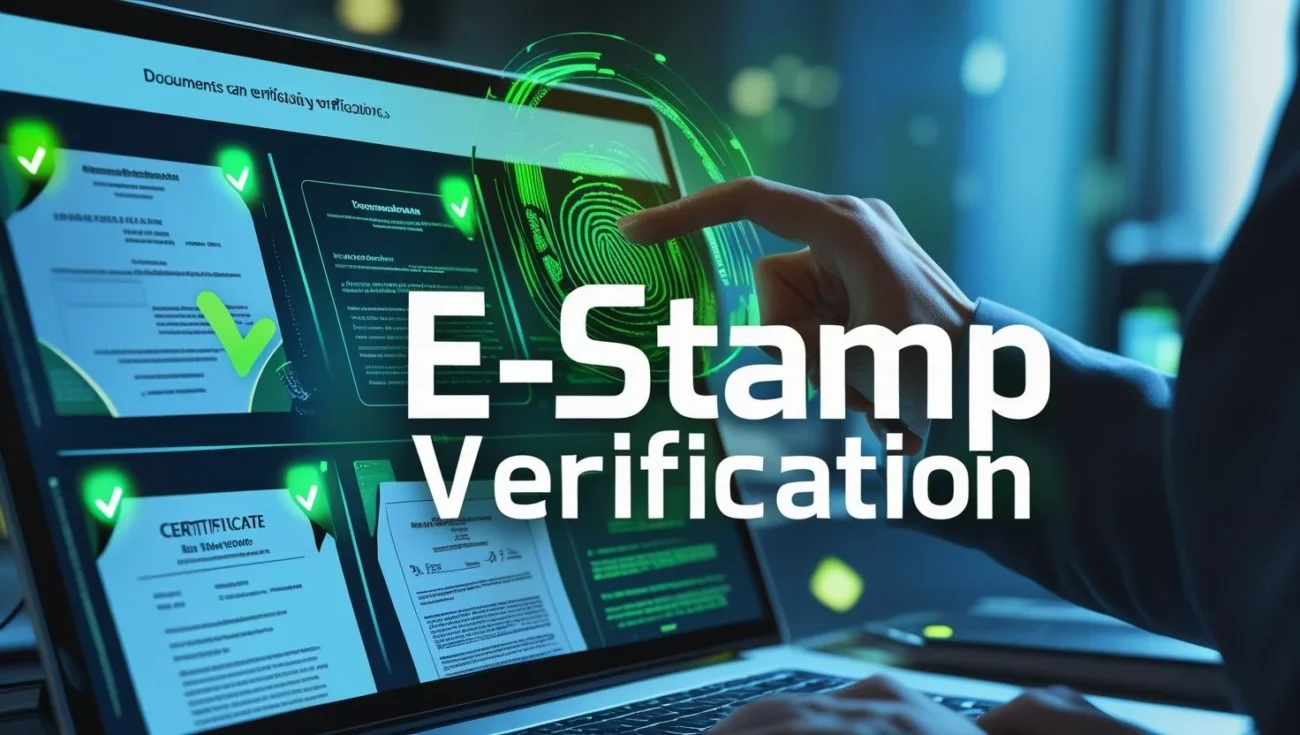
Digitization of public services in Pakistan has certainly led to visible gains in efficiency, transparency and accountability. The most notable advancement has been the digitization of stamp paper issuance through the implementation of e-Stamping. While printed paper stamp papers have become a rarity, the government now has safe and secure electronic means to issue and administer stamp duties. Key to this change is e-stamp verification or ensuring that each e-stamp is valid, traceable and tamper-proof. e Stamp verification is an integral part of modern legal, property and business worlds. Whether it is sale deed, lease deed, contract for business or an affidavit the checking of e-stamp gives immunity to an individual and firms from fraud, forgeries and pointless litigations. What is e-Stamp Verification? In simple terms, e stamp verification is the process used to confirm whether an electronically issued stamp paper is genuine. A unique Certificate Number is present on each of the e-stamps issued by the government, as well as specific details of the e-stamp, such as the name of the purchaser, Details such as the document’s purpose, the stamp duty amount, and the issuing district are provided. For verification, that information needs to be correct and contained on the government’s mothership database, not fraudulently changed or used again. In a way that creates a digital checkpoint. Once an e-Stamp is rissued, individuals who have access to the document can verify its authenticity in seconds online. This represents an additional level of confidence when using digital documents and is a useful weapon against document fraud. Why is Verification Necessary? One would require e stamp verification because the documents that are issued/signed with stamp papers are very sensitive documents. There are documents, including sale deeds, mortgage papers, affidavits, agreements and contracts, which have always had legal sanctity. If the stamp paper is not valid, it is forged or a duplicate then the entire document could be considered invalid and parties may suffer various types of legal liabilities as well as financial losses. Prior to the advent of e-stamps, the physical stamp paper system was largely abused by people in Pakistan. The mechanical process of issuing these imp-stamps made it difficult to keep track of the numbers and backdaited, fake and stolen stamp papers were being circulated in the black market. Most of these worries have been mitigated with the introduction of e-Stamping by the government, but to make the trust cycle airtight, consumers needed a trustworthy verification mechanism. e Stamp verification means the end of paper-culture, and no one would have to accept documents on trust: they can verify it vis- -vis the official records by checking the e-Stamp, thus making the system more transparent, with less room for corruption or fraud. Where and How Verification of e-Stamp Done? A leading e-Stamping and system for verification is in place in Pakistan in the province of Punjab. PITB E-Stamping System The e-Stamping project of the Board of Revenue with the collaboration of Punjab Information Technology Board (PITB) has been introduced in Punjab in order to handle the taxes system in a better controllable way. This control is entirely integrated into this system being accessible in the official portuguese site: estamp.punjab.gov.pk. To check e Stamp Punjab, one needs to open the portal first and select the verification option. The system would ask for some detail from the e-Stamp certificate ((number, date of issuance or district) and CNIC number of the buyer. After the information has been submitted, the portal queries the government’s database to verify that the stamp entered in the portal exists, and returns a response indicating whether the stamp is authentic. This real-time confirmation is incredibly efficient and can be accessed by anyone — property buyers, real estate agents, lawyers, court officials, or even regular individuals. Checking an e-Stamp becomes possible under the new system which was not the case under the old mechanism and thus reconfirms information security. Features of E Stamp Verification Systems The outstanding effectiveness of e stamp verification in Pakistan particularly evident in Punjab is a result of the robust technological infrastructure developed by the Punjab Information Technology Board (PITB). Centralized record management is one of the most important elements of the system. Once an e-Stamp is created, its information is recorded in a central database. This record becomes the verified source of truth, which cannot be changed after issuance. It is also noteworthy for its real-time processing. Verification checks are performed in real time, cutting out delays and enabling users to check the authenticity of documents right up until the point of signing or submission – even just seconds beforehand. It is an open platform and available around the clock without needing a special login or permission, making the process very easy to use. The last, but not least, security is our top priority in the system design. Our platform uses encrypted data communication, strict access protocols, and internal audit trails to ensure that unauthorized persons cannot access the system or manipulate the data. Moreover, many e-Stamp certificates have a QR code. The code can be easily scanned by someone equipped with a smartphone, and the link will direct the user directly to the verification page. This step further simplifies the process and attempts to reduce human error. Differences Between Provinces In terms of differences between provinces, it worth noting that while Punjab has the most complete and functioning e-stamping and verification system in the country, other provinces are only slowly digitizing the process. Whereas E Stamp Sindh has already digitized, the system does not operate in the full range and is limited; moreover, the public system of verification is entirely different. Khyber Pakhtunkhwa and Balochistan have both been announcing e-Stamping, but no fully functioning system has been implemented. Thus borrowers must know which platform to use depending on the province’s location. In Punjab’s case, e-Stamping for the non-judicial stamp papers over Rs. 1,000 is mandatory, and e stamp verification is ubiquitous in the property offices, banks, and courts. Therefore, it is expected that other provinces will adopt similar practices

Agriculture Taxation in Pakistan
FBR & Tax Updates

Agriculture Taxation in Pakistan Assessing the Impact of Fiscal Gaps and Elite Capture

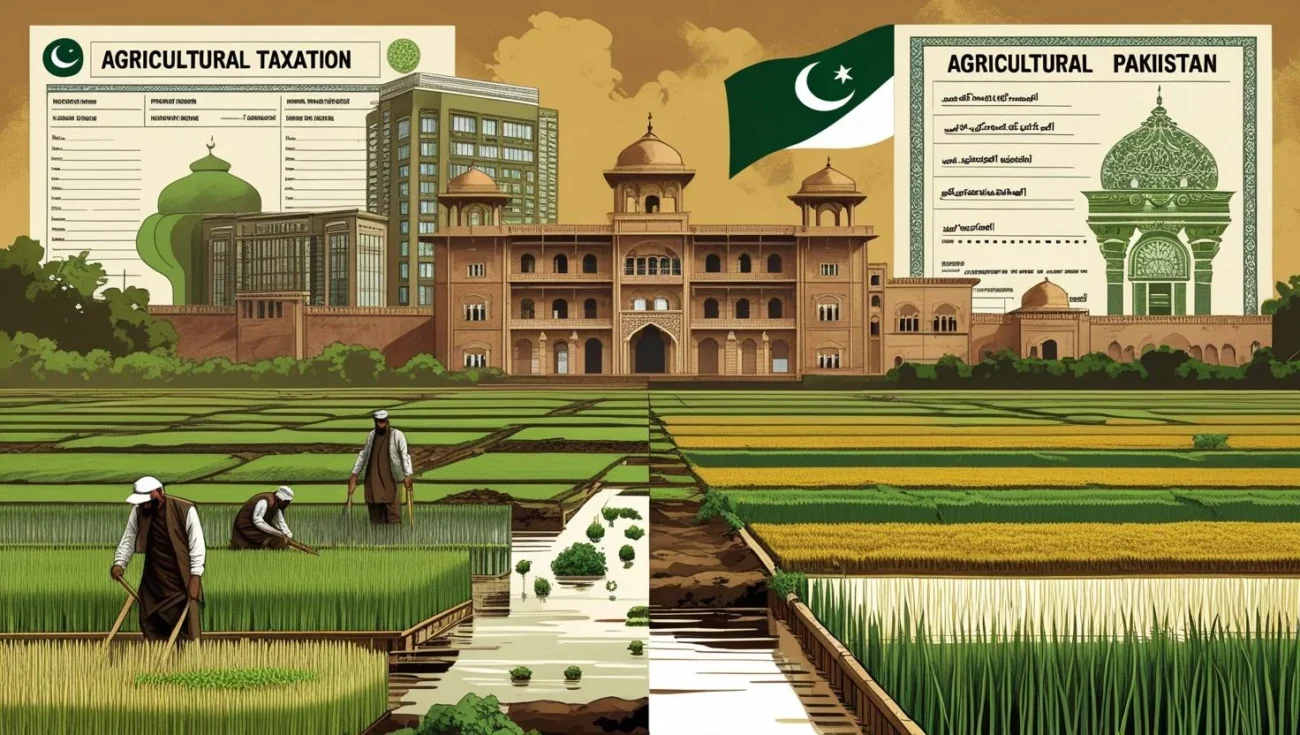
The issue of agriculture taxation in Pakistan has been a taboo, or at most, a sidelined matter, constituting the modus operandi of fiscal policy. In a country where agriculture accounts for almost 20% of GDP(approx.) and engages nearly 37% of the working population; its taxation should be a fundamental part of the national revenue policy. However, despite being a huge and vital sector, like so many areas of Pakistani life, Pakistan’s agriculture tax system is ineffective and politically skewed. This failure has perpetuated economic inequality, eroded public confidence in tax fairness and cost the government billions in lost tax revenue. Getting a grip on how and why this sector continues to be undertaxed is essential to any serious discussion of economic reform. A Constitutional and Political Legacy The origins of agriculture taxation in Pakistan are intrinsically linked to the country’s federal system of governance. Tax in relation to agricultural income under 1973 Constitution is a matter for the God under Article 80 (2) not for the Caesars – the provinces and not the Centre. This dichotomy was supposed to recognize the particularity of land and farming practices locally, but in reality, it forms a system of schismatic inefficiency. Each province — Punjab, Sindh, Khyber Pakhtunkhwa and Balochistan — has set its own rules, which go largely unenforced, and coordination is almost nonexistent. There are provisions under the law in all the four provinces to tax the agricultural income or to levy a land-based tax but the collection of revenue is virtually zero. Under this constitutional setup, the federal government has also been able to stay away from taxing agricultural income for national income tax, which has put a check on the strict scrutiny from audit and accountability. The story of agriculture taxation in Pakistan, therefore, is that of a missed opportunity, and institutional neglect. Who Really Pays? A Broken System of Accountability Notwithstanding the available legislation, the real application of agriculture taxation in Pakistan has been quite defective. Most of the country’s farmers own only a few hectares of land and their earnings are lower than the taxable bracket. But the system also safeguards wealthy landowners — some of whom own thousands of acres and make millions of dollars a year. These wealthy landlords frequently pay little or no tax, exploiting legal loop holes, lax enforcement, and political influence to shirk that accountability. A lot of Pakistan’s top politicians also happen to own huge amounts of land. The confluence of economic power and political control has made it near-impossible to introduce or implement laws that have agriculture income meaningfully in their crosshairs. These exceptions are publicly marketed as protection for “poor farmers” when in fact the richest players in the industry have the most to gain. Meanwhile, wage earners and small-business owners — with little escape from scrutiny — pay the brunt of the tax bill. This unequal system has generated enormous resentment and further undermined the legitimacy of the larger tax code. The Illusion of Equality The discourse surrounding agriculture taxation in Pakistan is frequently framed around the protection of rural livelihoods and the pursuit of food sovereignty. Because, these legitimate concerns have often served as a distraction from the larger issue at hand: wealth concentration and tax dodging. Most of Pakistan’s farmers work on small pieces of land, and they are often under financial strain and lack access to credit. These farmers are not impacted by an effective tax policy that affects only high-income agricultural producers. Regrettably, it is the absence of reliable data and lack of record-keeping, in addition to the heights of political intolerance at work that thwart the evolution of a progressive tax system which makes the poor peasant farmer in rural Homa Bay different from the agribusiness industrialists. Taxes on agriculture are perceived by the public as an assault on the rural poor, even as the majority of small and marginal farmers earn far below taxable income limits. This falsehood has helped maintain business as usual, which leads to economic and social inequity. Institutional Weaknesses and Revenue Loss One of the main causes of the failure of agriculture taxation in Pakistan is the institutional frailty of the provincial revenue authorities. These offices are often understaffed, under-resourced, and under-trained to evaluate, tax, and collect from agricultural income earners. The majority of the time, tax forms are not filed, and when they are, income is drastically understated. It is also easy to hide or move agricultural income among entities or family members to use exemptions. The effect of this failure of institution is loss of huge revenue. It’s estimated that the government could earn tens of billions of rupees in revenues each year through efficient agriculture taxation in Pakistan. The industry, instead, accounts for less than 0.1% of all taxing authority revenue. This shortfall not only constrains the government’s capacity to invest in public services, but also makes it more dependent on indirect taxes which impact the poor and middle classes more heavily. Social and Economic Distortions Apart from its fiscal implications the non-enforcement of agriculture taxation in Pakistan’s fields also distorts economic incentives and social justice. When holding land becomes a tax haven, it incentivizes elites to put their money into land rather than into productive sectors like manufacturing or technology. This process holds back economic diversification and centralises wealth. It also discourages agricultural innovation by preserving financial non-viability of inefficient and unproductive farms whose only special traits is that they do not pay taxes. The agriculture income tax-exemption also has the inevitable effect of producing public cynicism about the fairness of the system. If tax is being extracted from ordinary citizens earning minimal sums of money while multi-millionaire landlords are paying nothing then the moral authority behind tax collecting collapses. It poses an obstacle for non-enforcement reform elsewhere. Confidence in government institutions breaks down when people believe the system is designed to entrench privilege, rather than advance fairness. The Way Ahead: Reform and Resistance Agriculture taxation reform will not be easy in Pakistan. Just any measure to place

Scroll to Top